
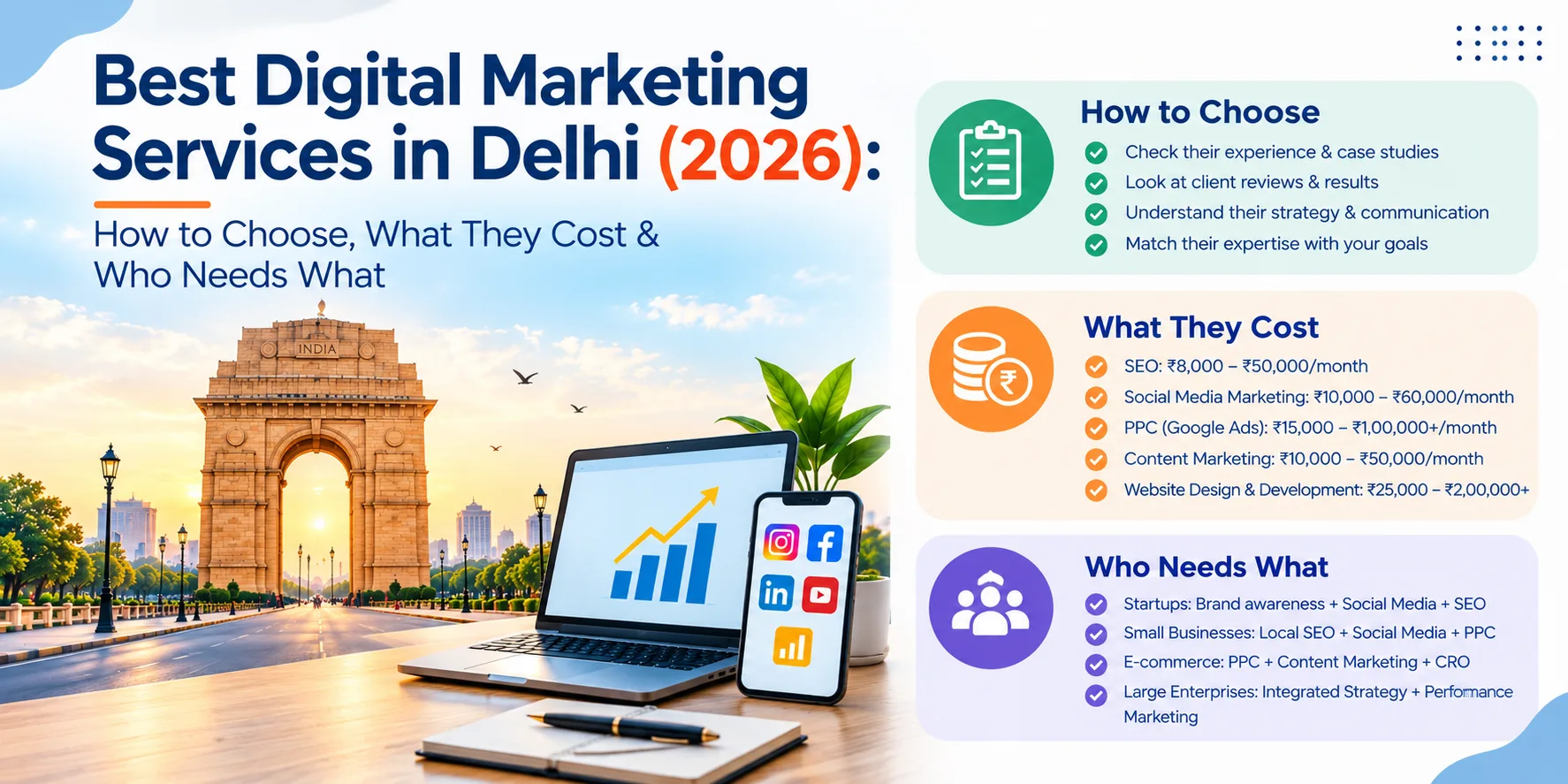
Best Digital Marketing Services in Delhi (2026): How to Choose, What They Cost & Who Needs What
Read the full article on DizitalAdda to explore the complete insight and practical takeaways.
Read MoreDizitalAdda is a skill training institute offering career-focused programs in Digital Marketing, Generative AI & Prompt Engineering, Machine Learning & AI, Data Science & Analytics, and Cyber Security & Ethical Hacking. Since 2009, the institute has trained 25,000+ students through industry-led classes, live projects, internships, and placement support with 250+ hiring partners. Courses are designed for students, graduates, and working professionals seeking practical, job-ready skills.
Join Us and be a part of Our Growing Team - Your Future is our priority
Choose your career discipline. DizitalAdda offers online tech courses across India covering Digital Marketing, AI & GenAI, Data Science, Machine Learning, and Cyber Security — each with industry certifications, live projects, and 100% placement assistance for every level from beginner to expert.

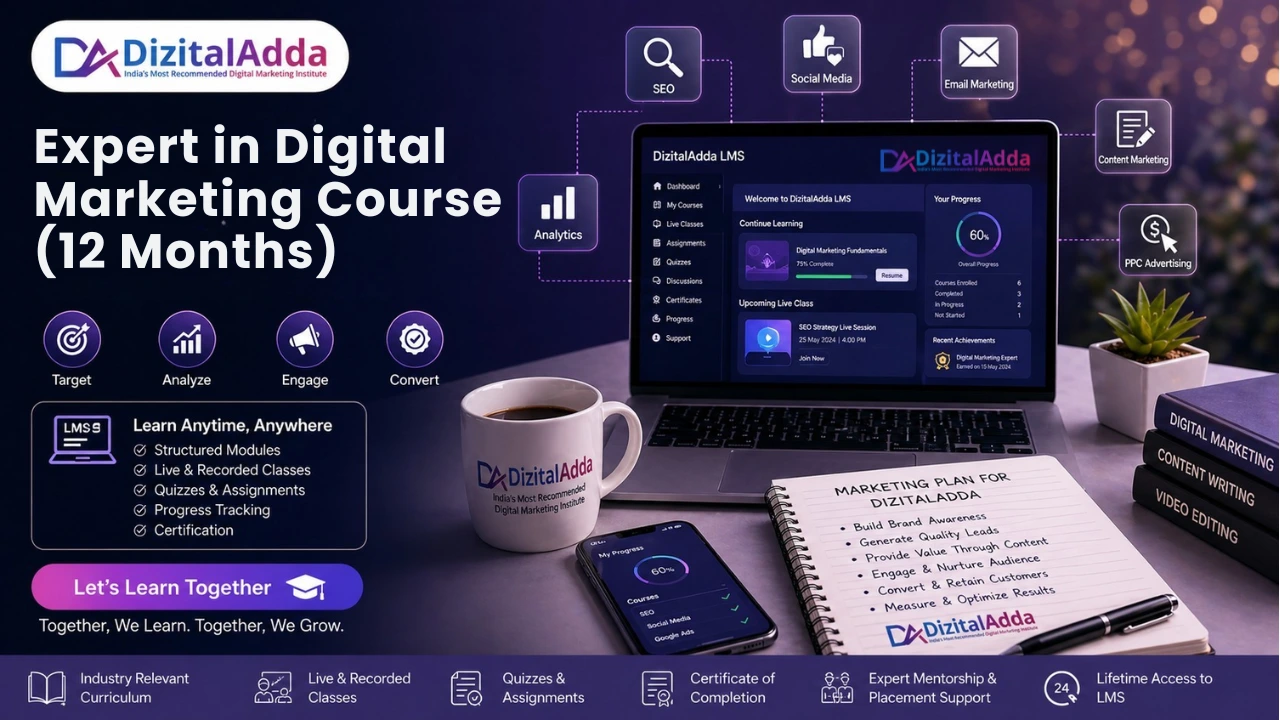 12 Months
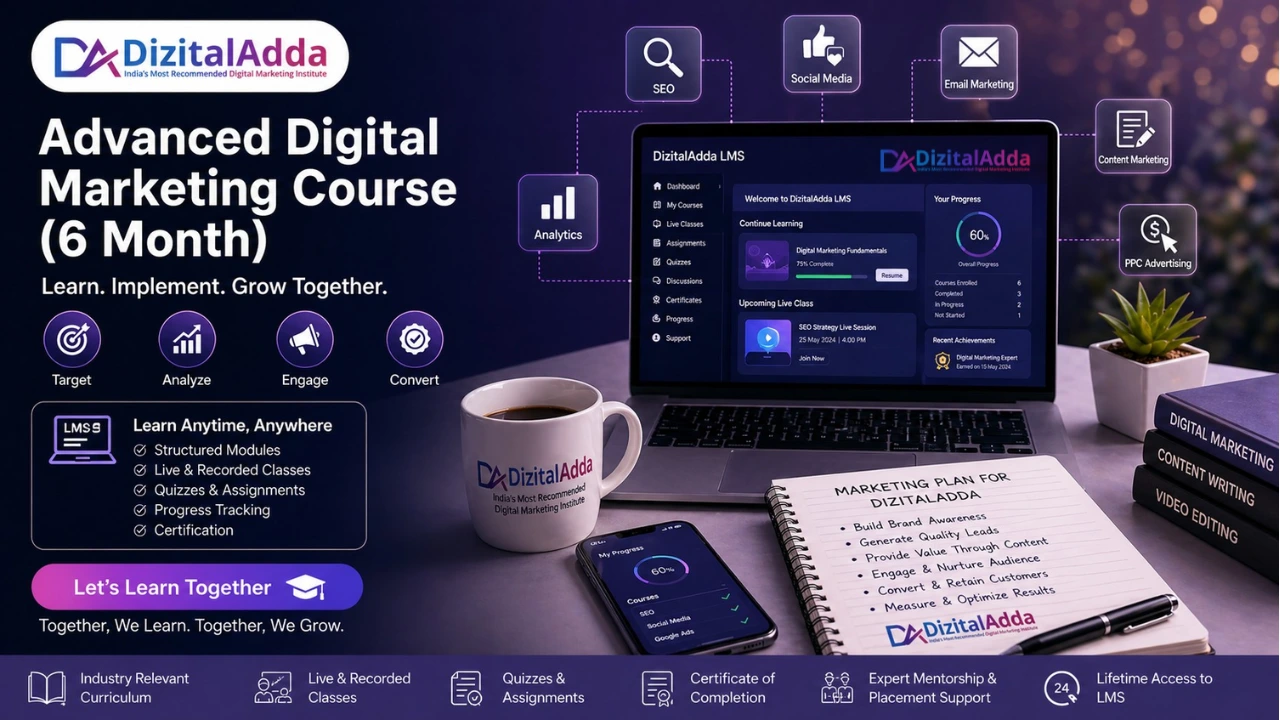 6 Months
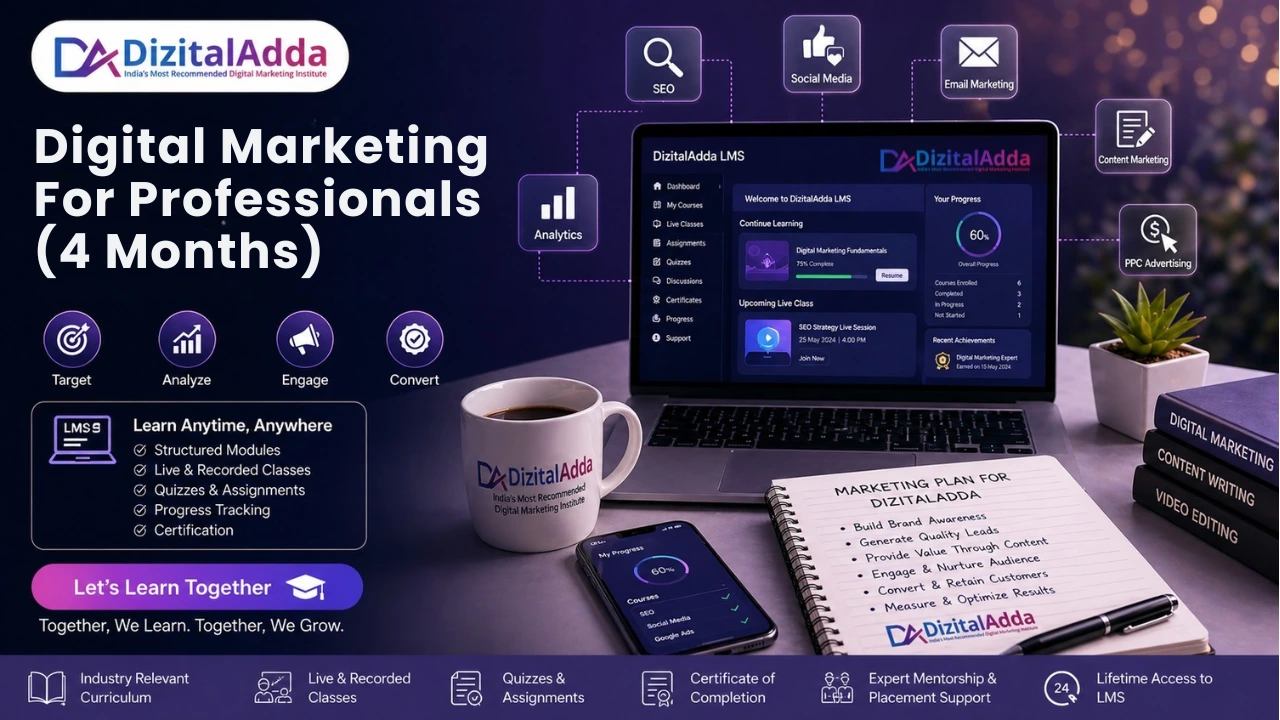 4 Months
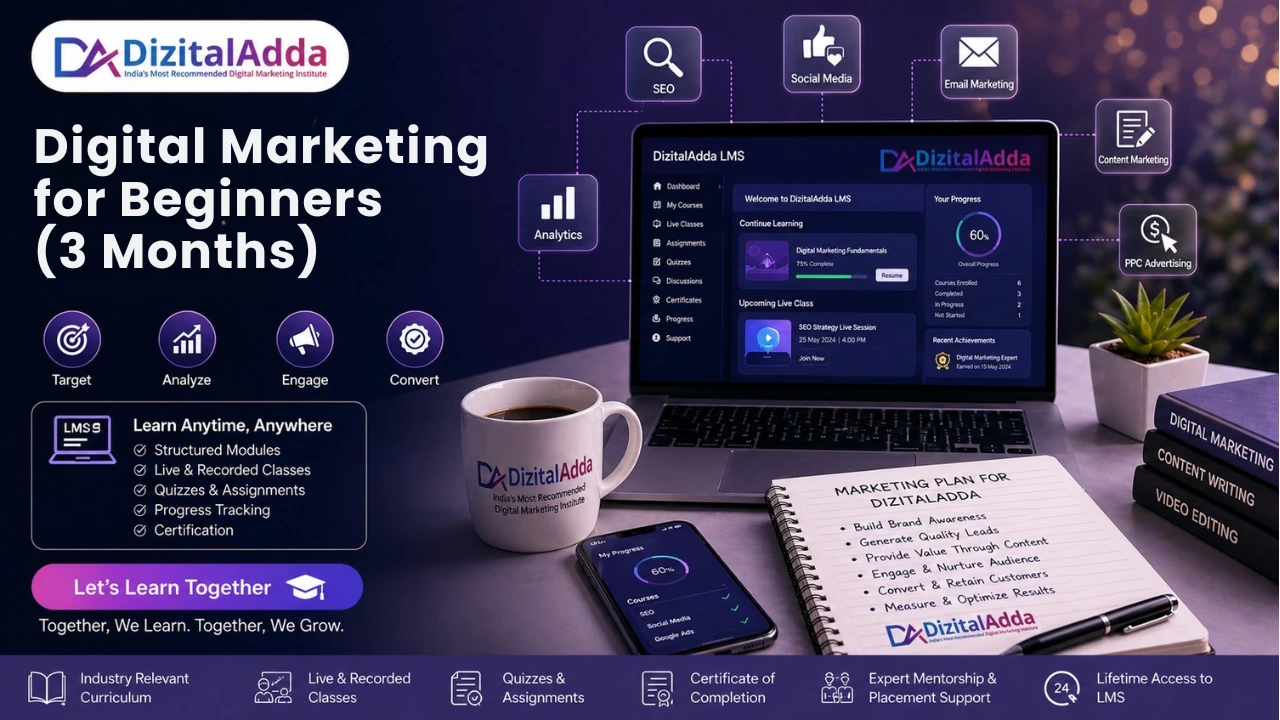 3 Months
 12 Months
 12 Months
 12 Months
 12 Months
 6 Months
 6 Months
 6 Months
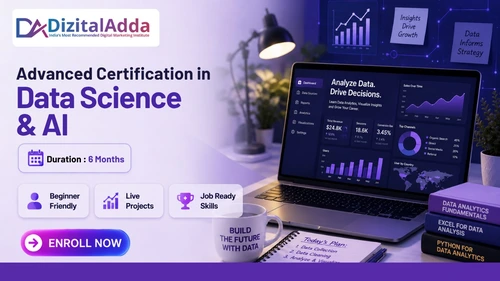 6 Months
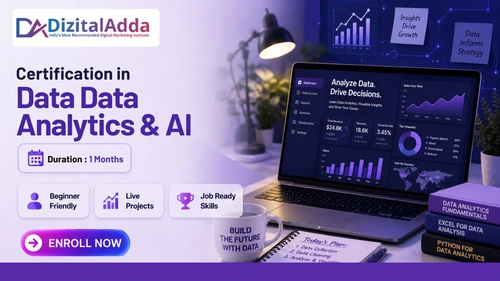 3 Months
 4 Months
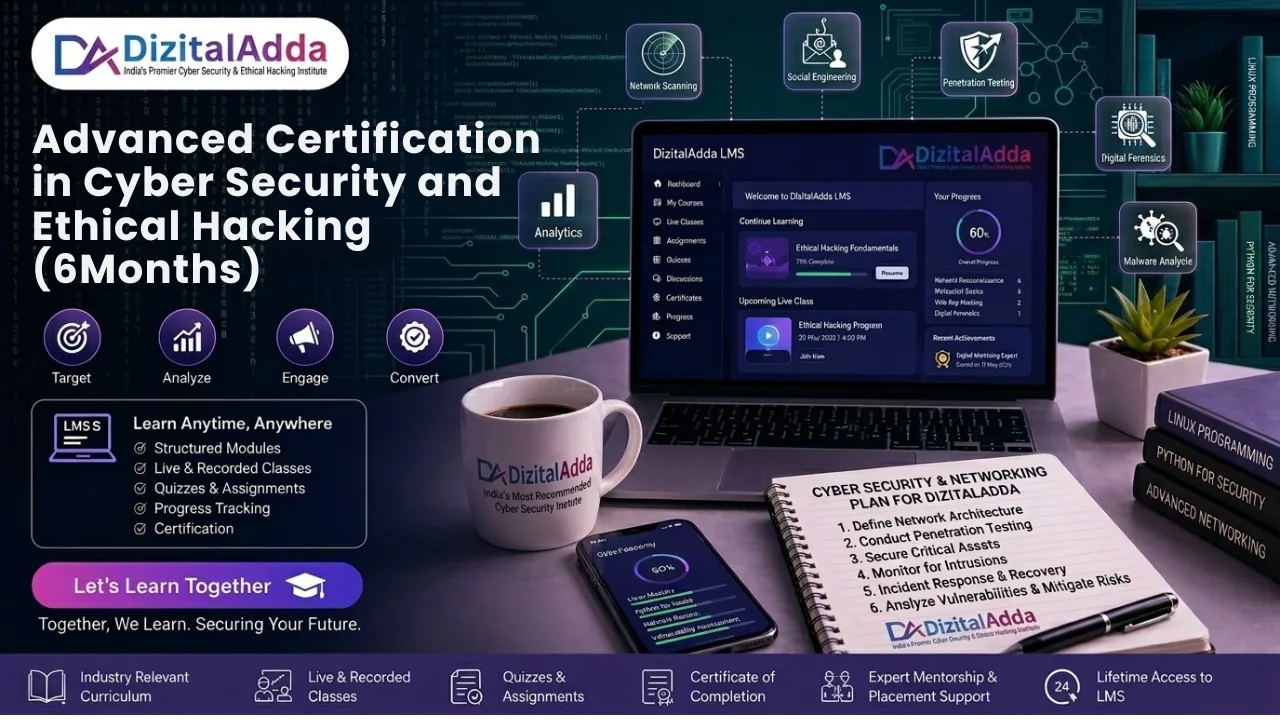 6 Months
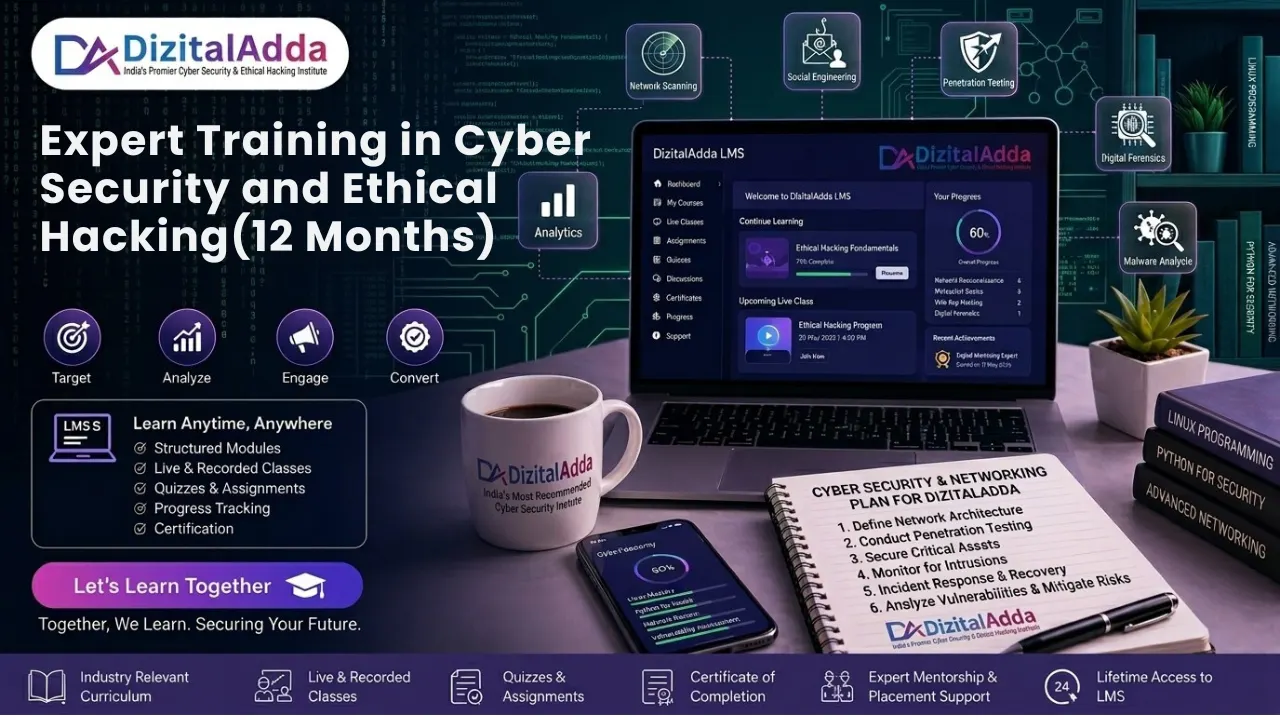 12 Months
 4 Months
 4 Months




Every program includes hands-on training in 60+ AI tools, including ChatGPT, Google Gemini, Perplexity, and DALL·E, helping students build industry-ready AI skills.

Small batch sizes ensure personalised mentoring, one-on-one guidance, and dedicated career support for every student.

From SEO and Google Ads to GenAI and Ethical Hacking, every student completes 10 live projects to build a recruiter-ready portfolio.
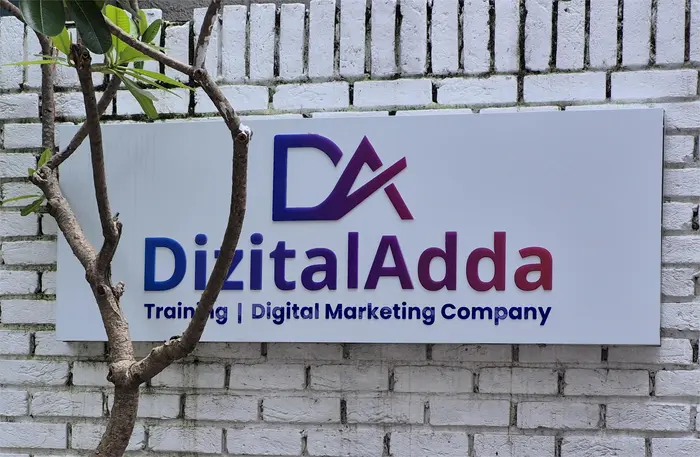
We’d love to meet you! Visit our center to get personalized guidance or reach out to us on WhatsApp for quick info.
DizitalAdda's Refer & Earn program rewards students and alumni for referring new learners to any of our career-focused courses, including Digital Marketing, AI, Data Science, Machine Learning, and Cyber Security. Earn cashback, discounts, or exclusive rewards on every successful enrolment, with no limit on referrals. Simply share your referral, and start earning as more learners join through your network.

DizitalAdda's career-focused courses are aligned with the skill requirements of leading technology, marketing, analytics, and cybersecurity employers. Graduates from Digital Marketing, Generative AI, Data Science, Machine Learning, Data Analytics, and Cyber Security programs receive placement support through a network of 250+ hiring partners, including companies such as Flipkart, Myntra, Nykaa, HiveMinds, Coursera, Zouk, and Sleepy Owl.





*Companies mentioned are examples of industry relevance. Logos shown for aspirational and educational purposes only.
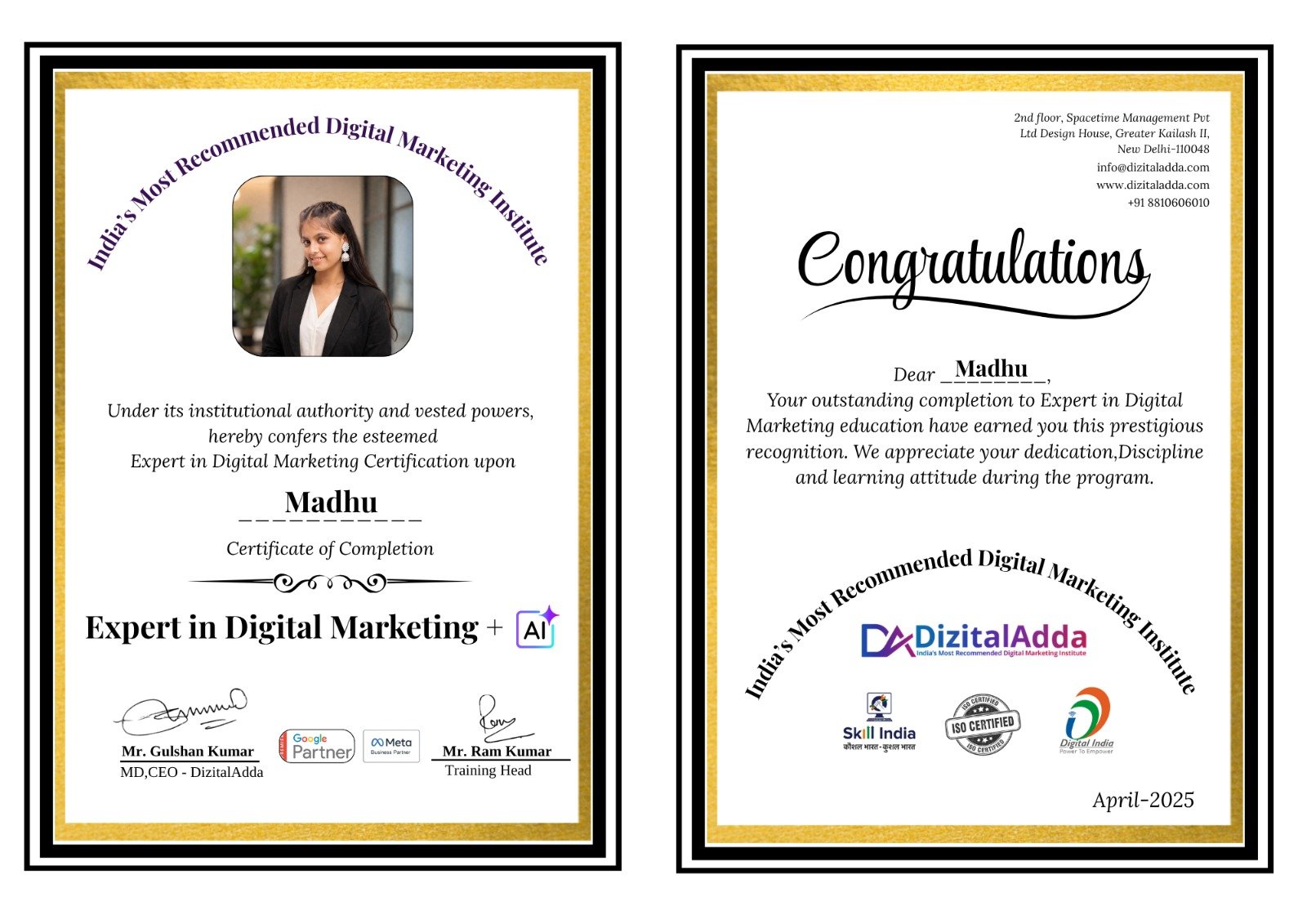
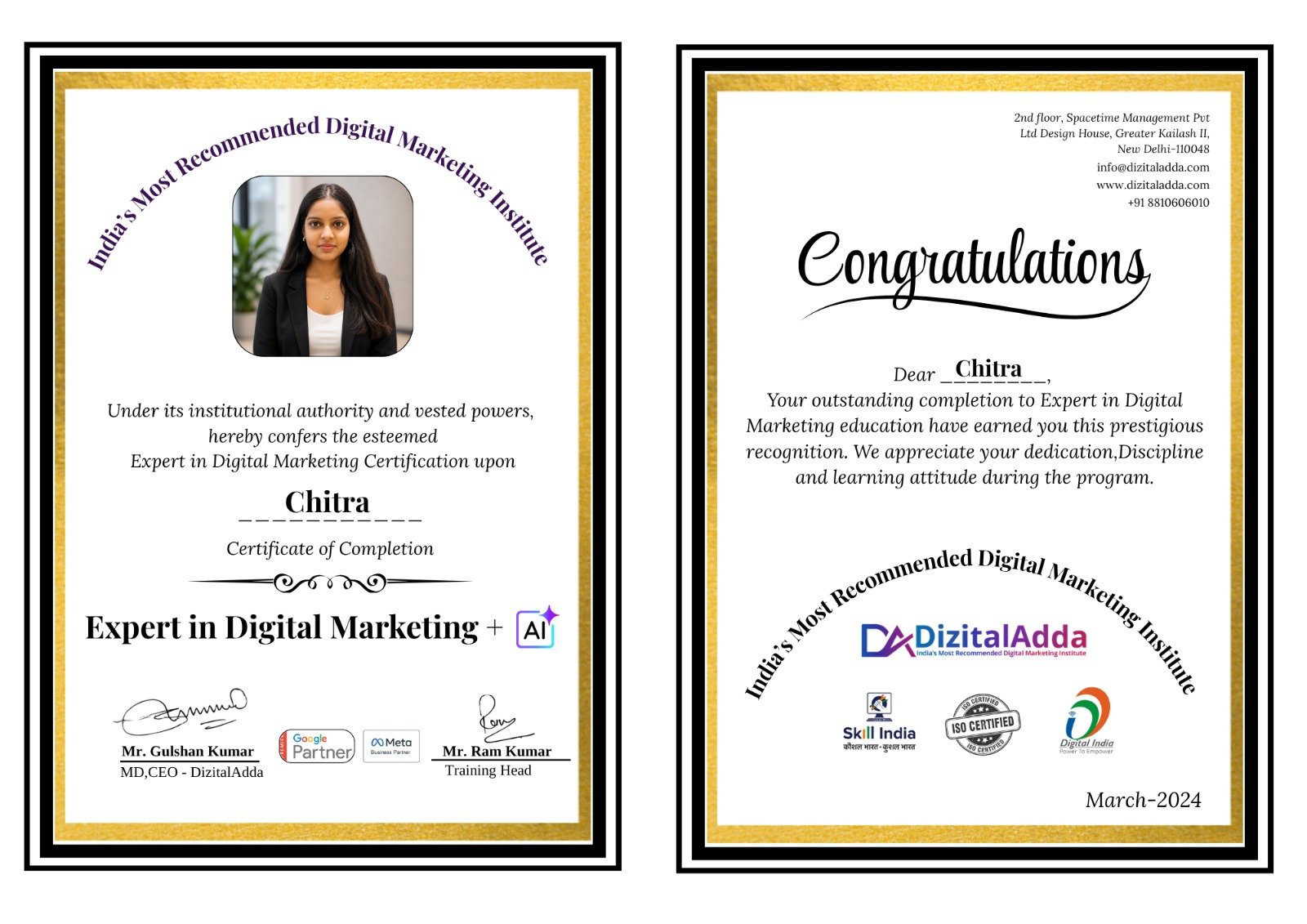
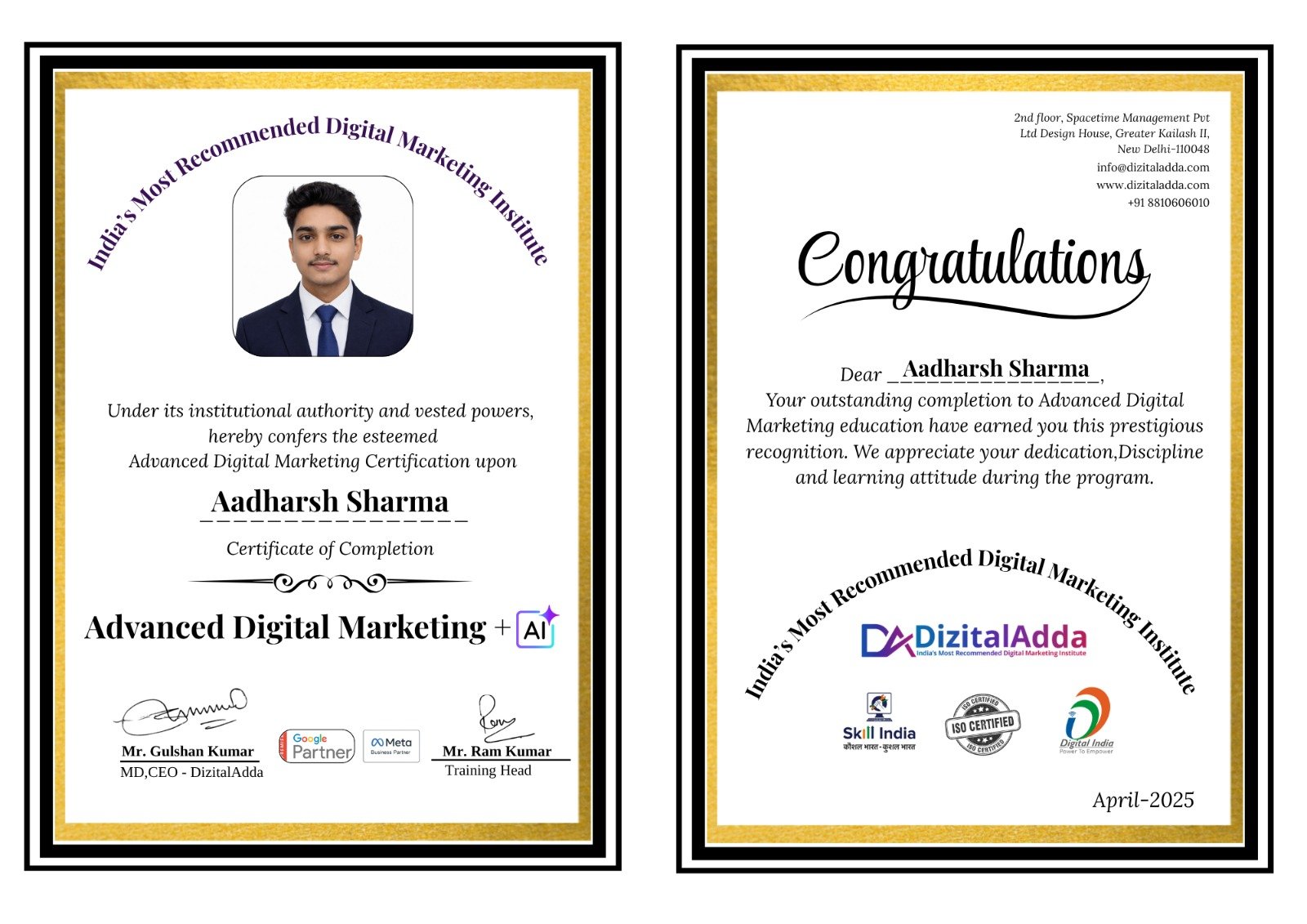
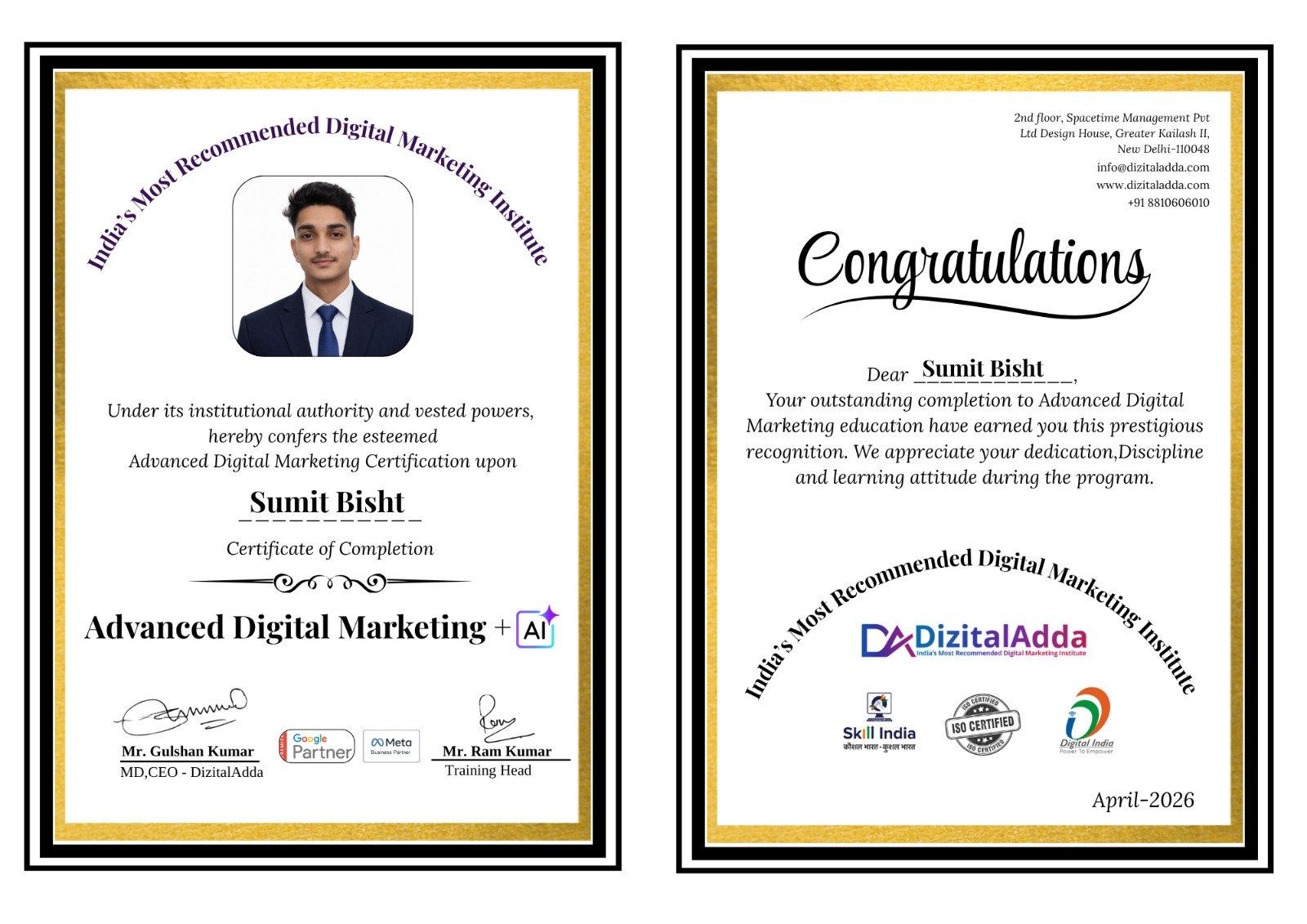
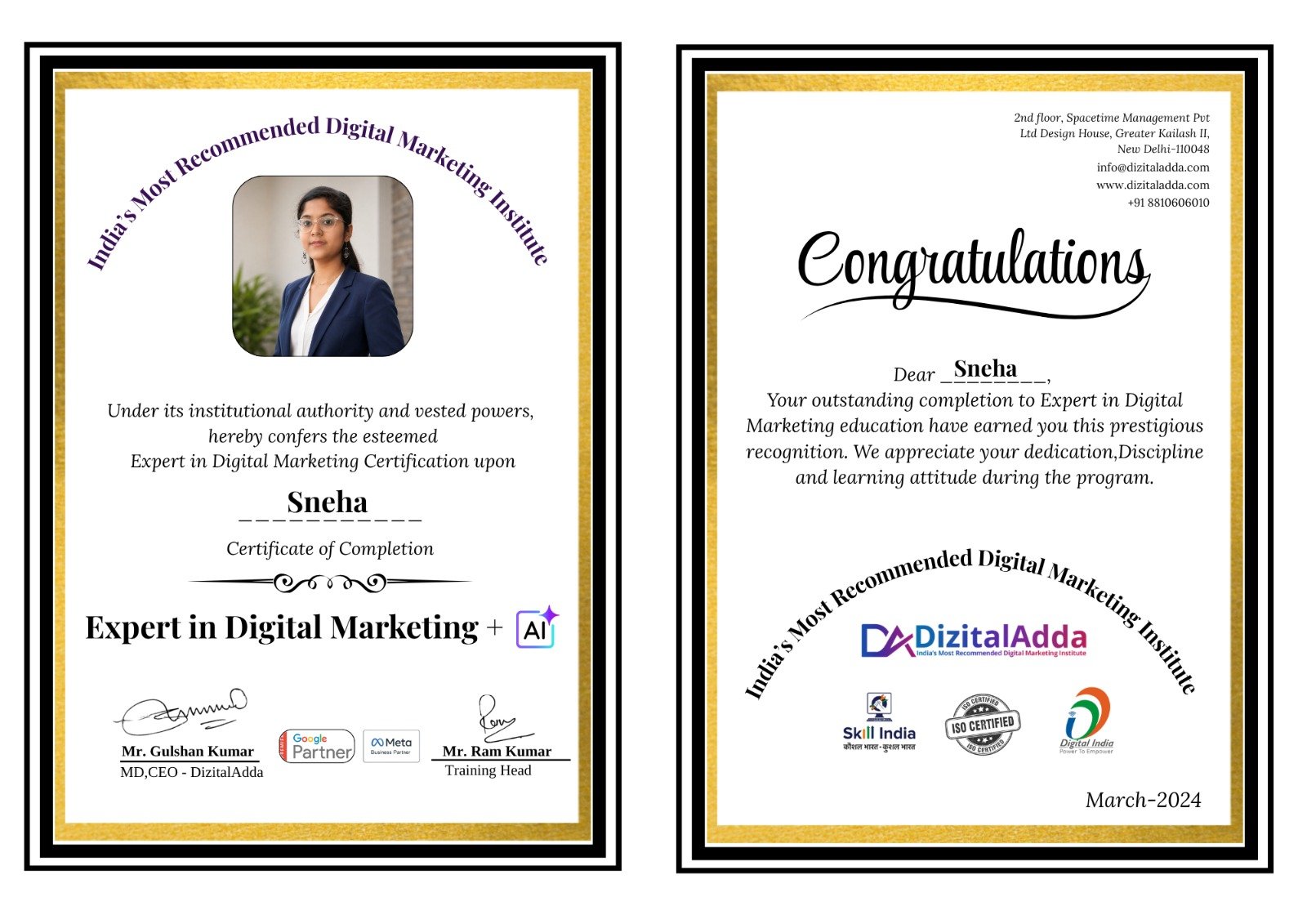
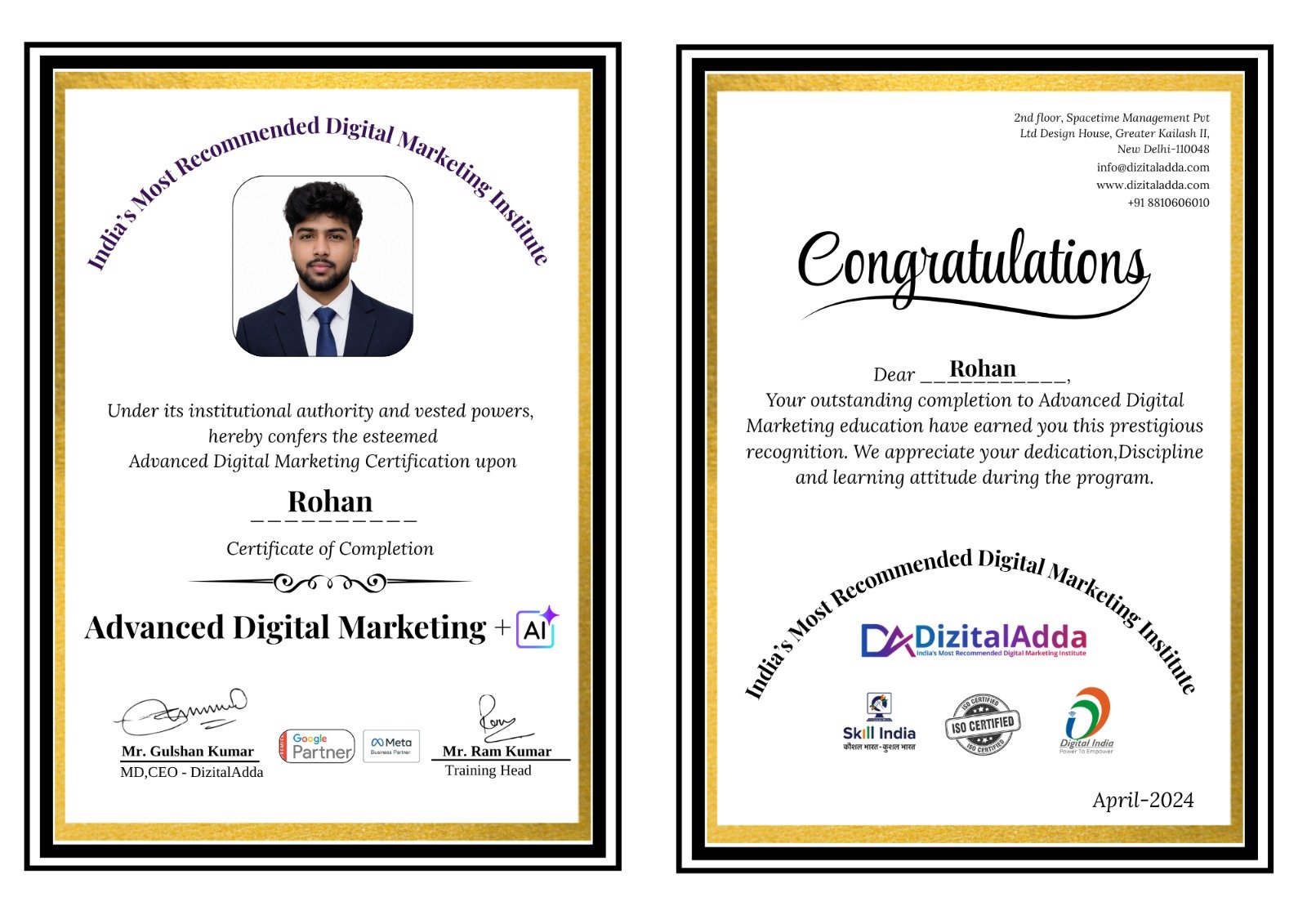
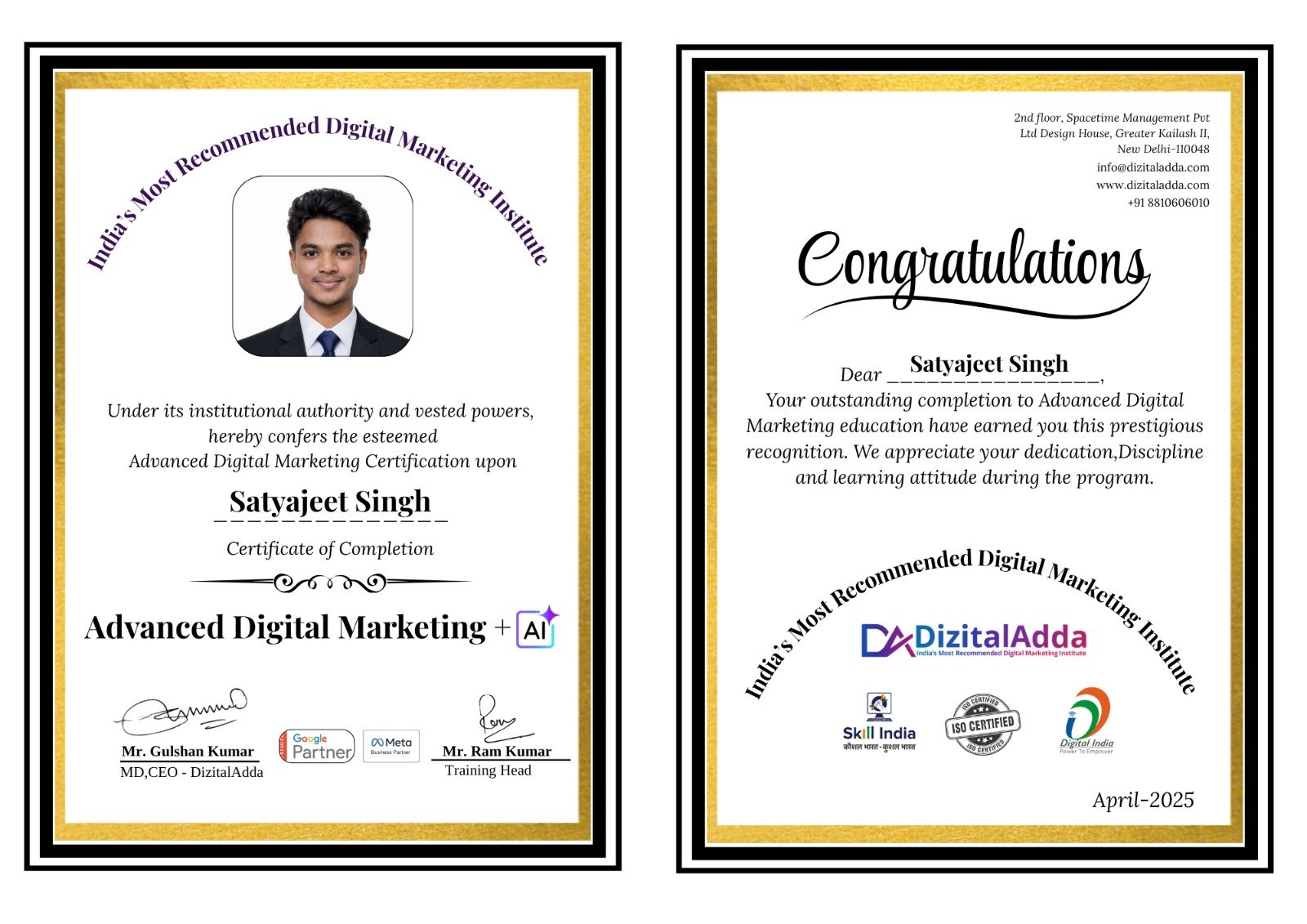
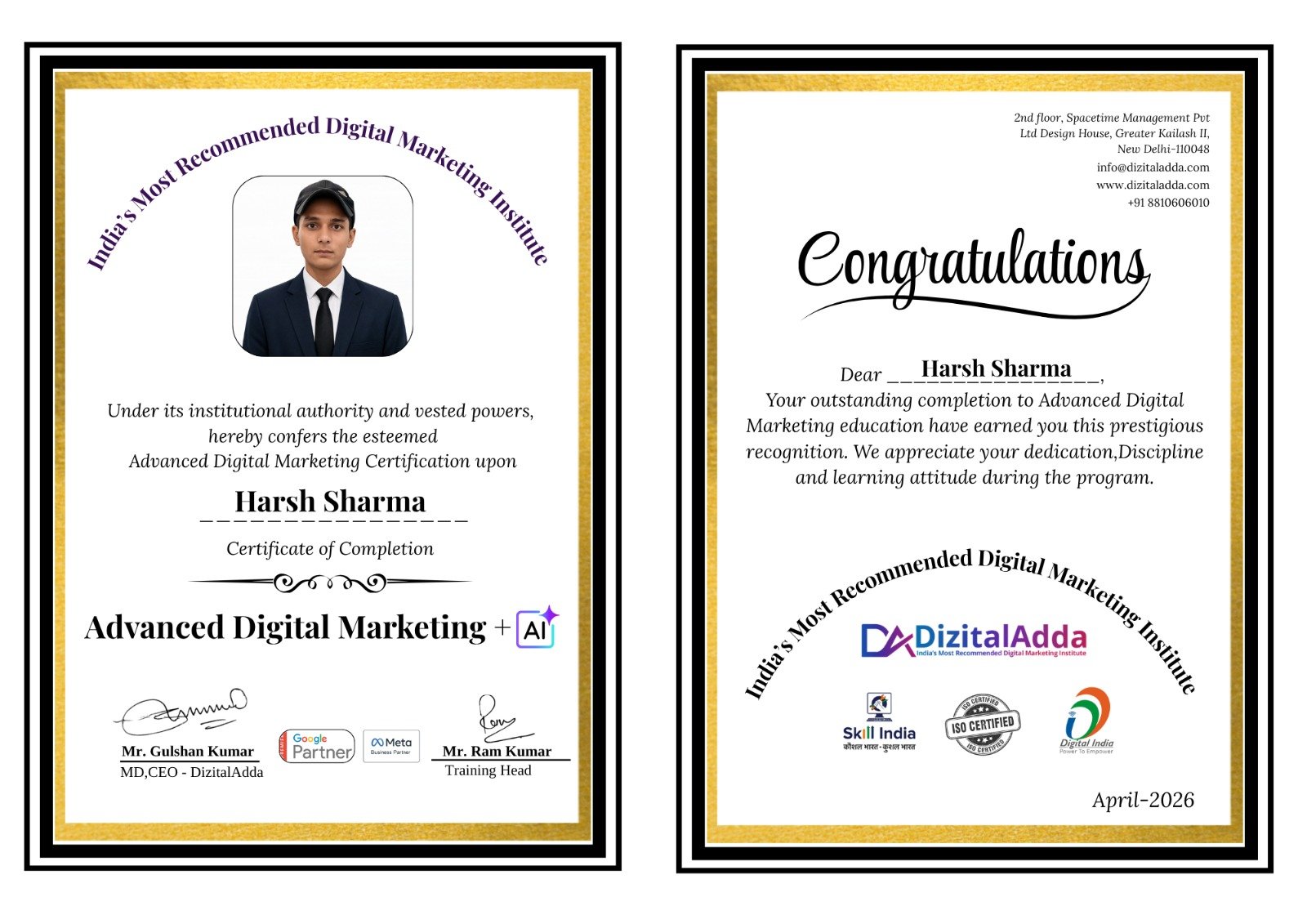
Digital Marketing Certification
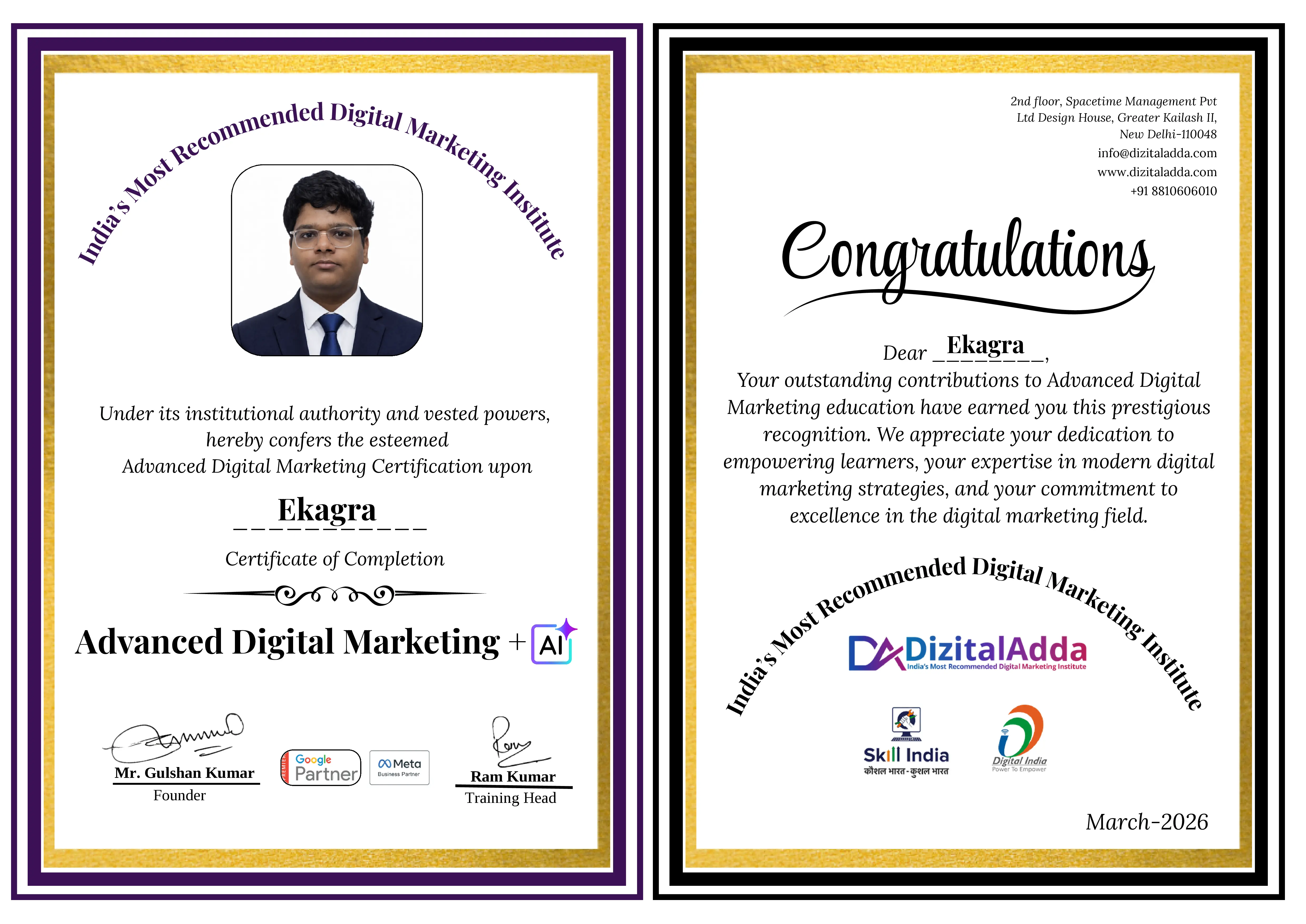
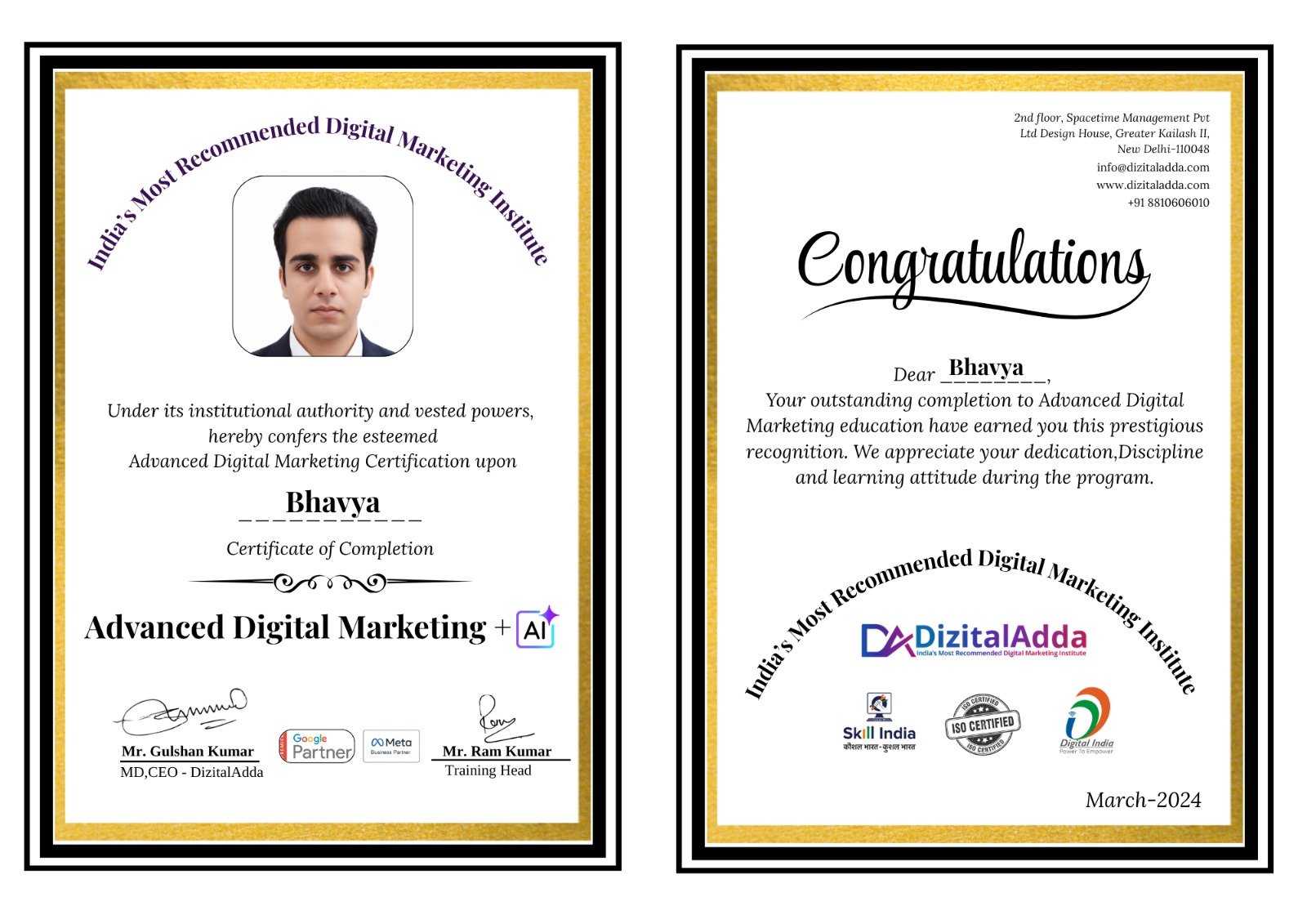
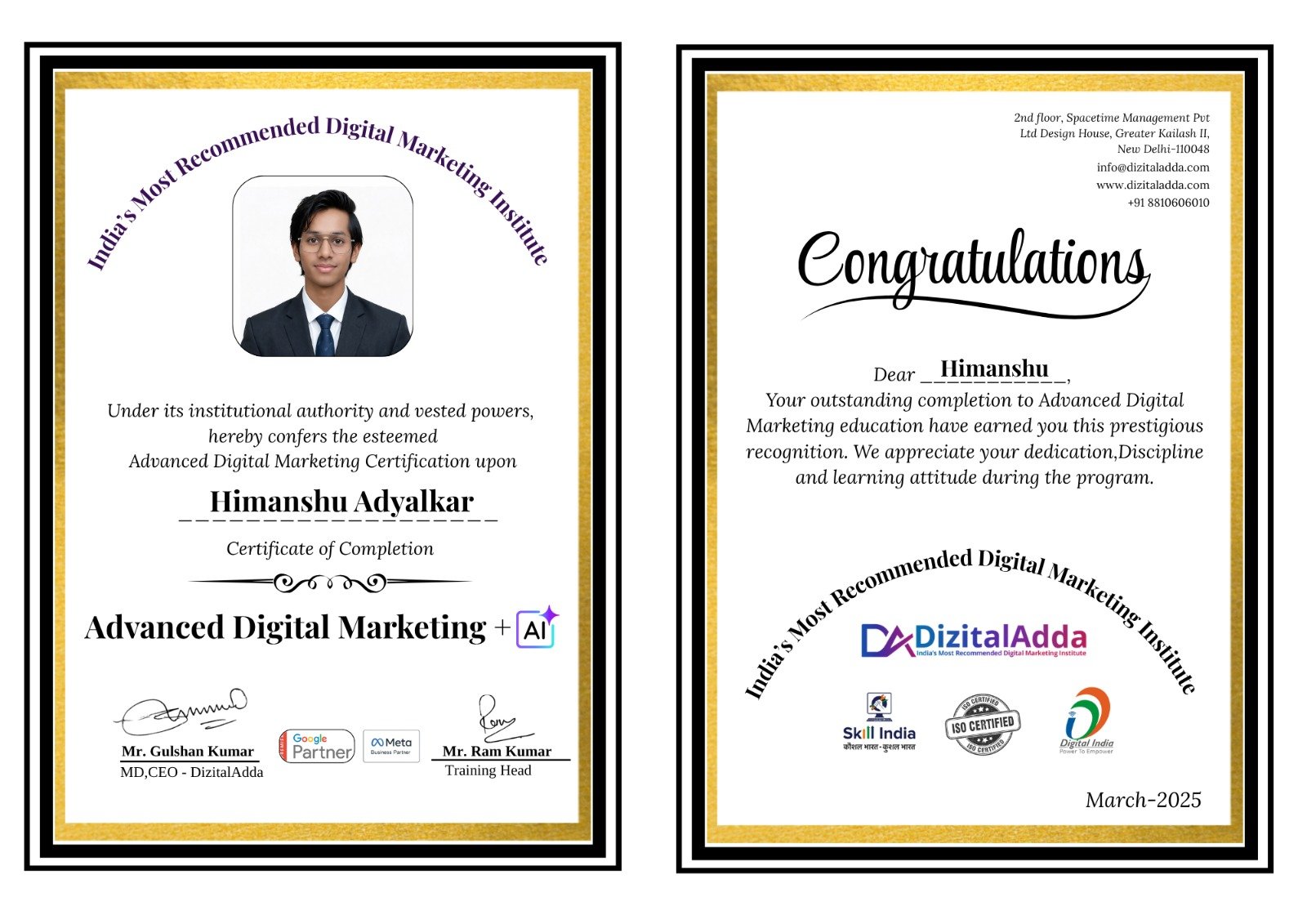
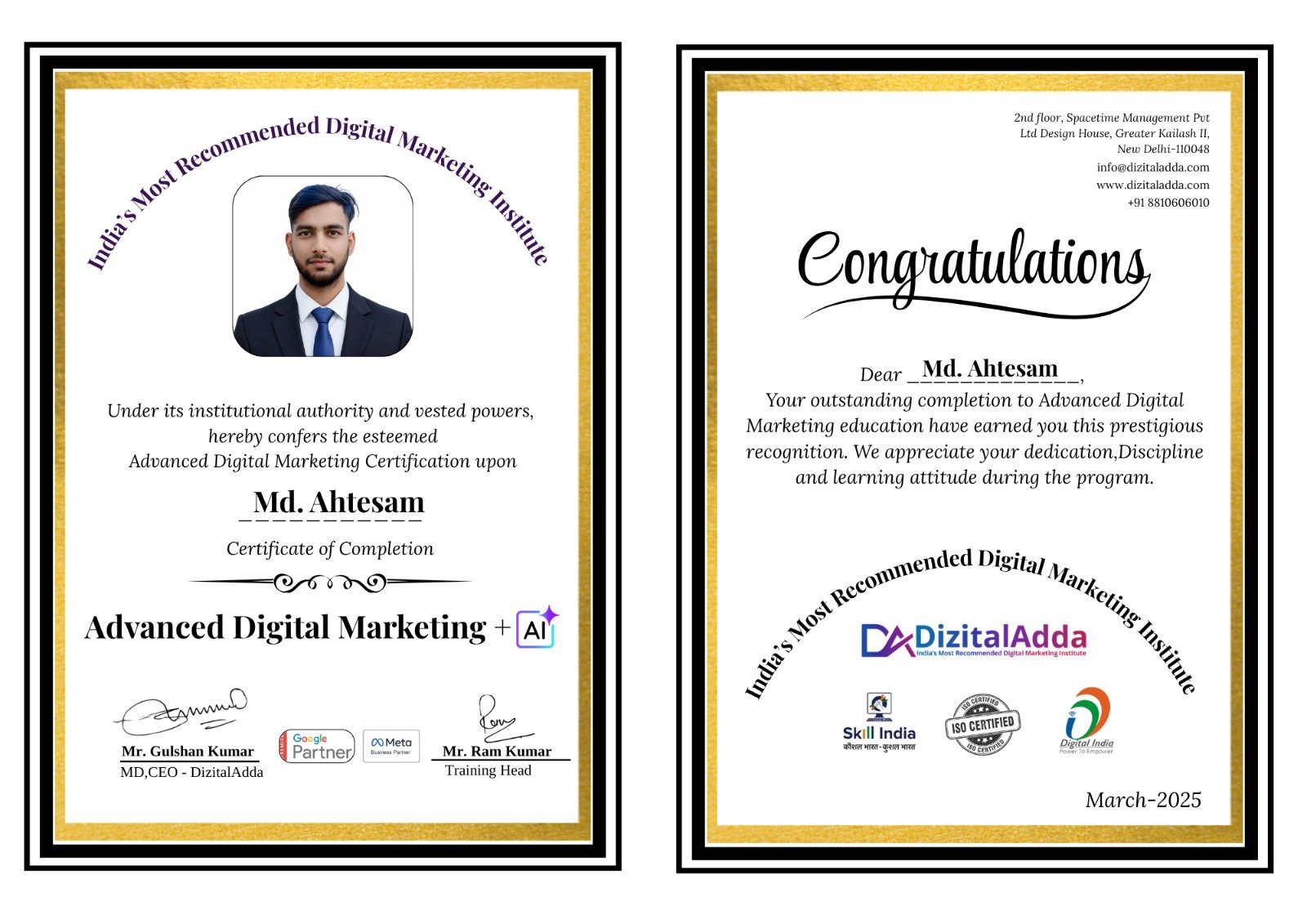
DizitalAdda's Digital Marketing Certification is awarded after completing India's most comprehensive 12-month digital marketing programme — and it is recognised across the industry because it comes with a verified portfolio of real campaign results, not just a score on a test. Unlike generic online certificates, this credential is backed by live project evidence that every recruiter can verify.
The certification covers every core digital marketing skill: SEO, Paid Marketing, Google Ads, Meta Ads, Social Media Marketing, Content Writing, Email Automation, Analytics, and AI tools in marketing. Your certification portfolio includes 10+ credentials — from DizitalAdda, Google, Meta Blueprint, HubSpot, Semrush, Skill India, and Digital India — each tied to a specific module you completed and a skill you demonstrated on a live campaign.
This is not just another line on your CV — it is your launchpad to roles paying ₹4.5–10.05 LPA at companies like Flipkart, Growisto, Myntra, Nykaa, and 250+ more. DizitalAdda graduates have a 97% placement rate — because this certification tells recruiters exactly what you can deliver.
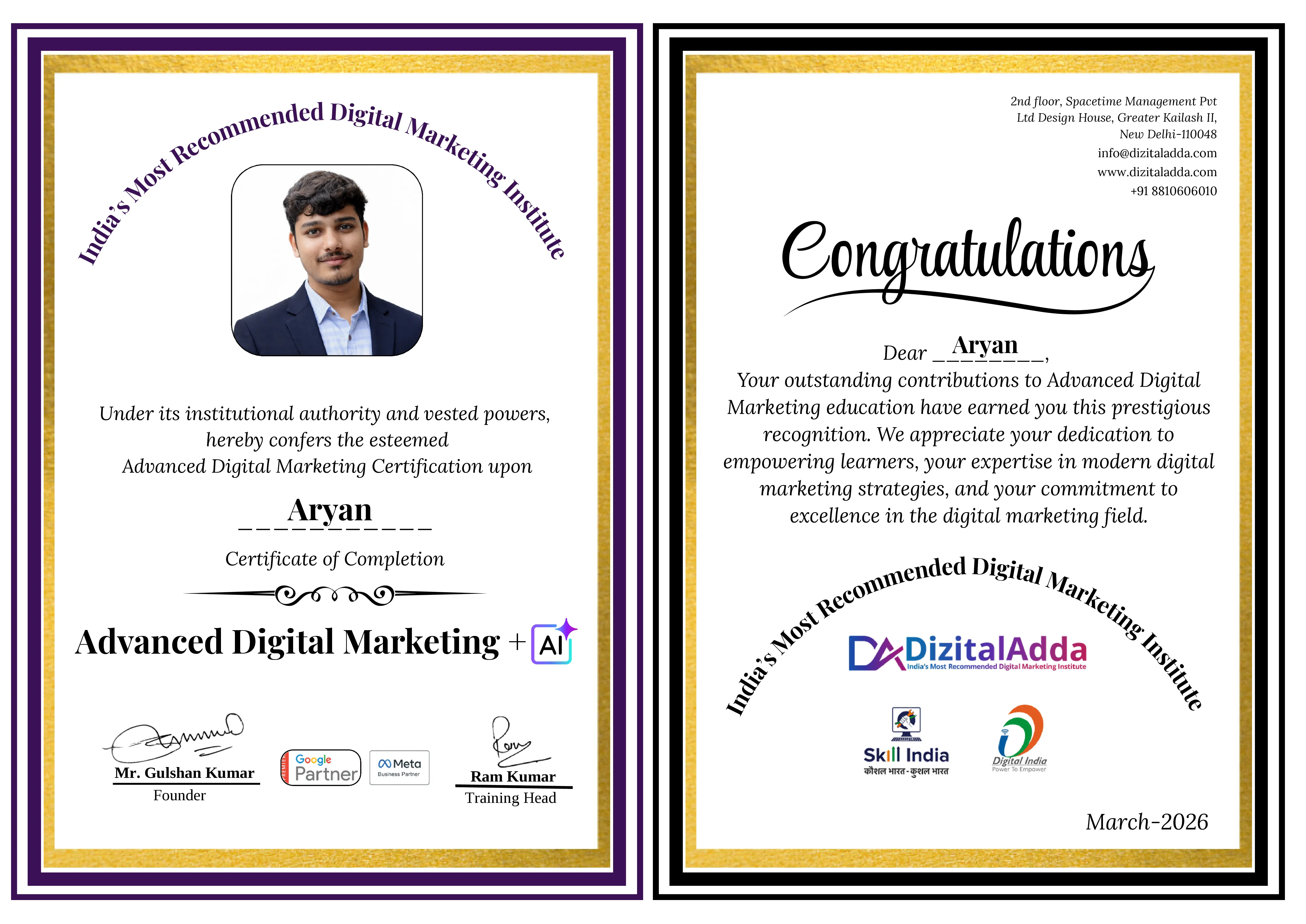
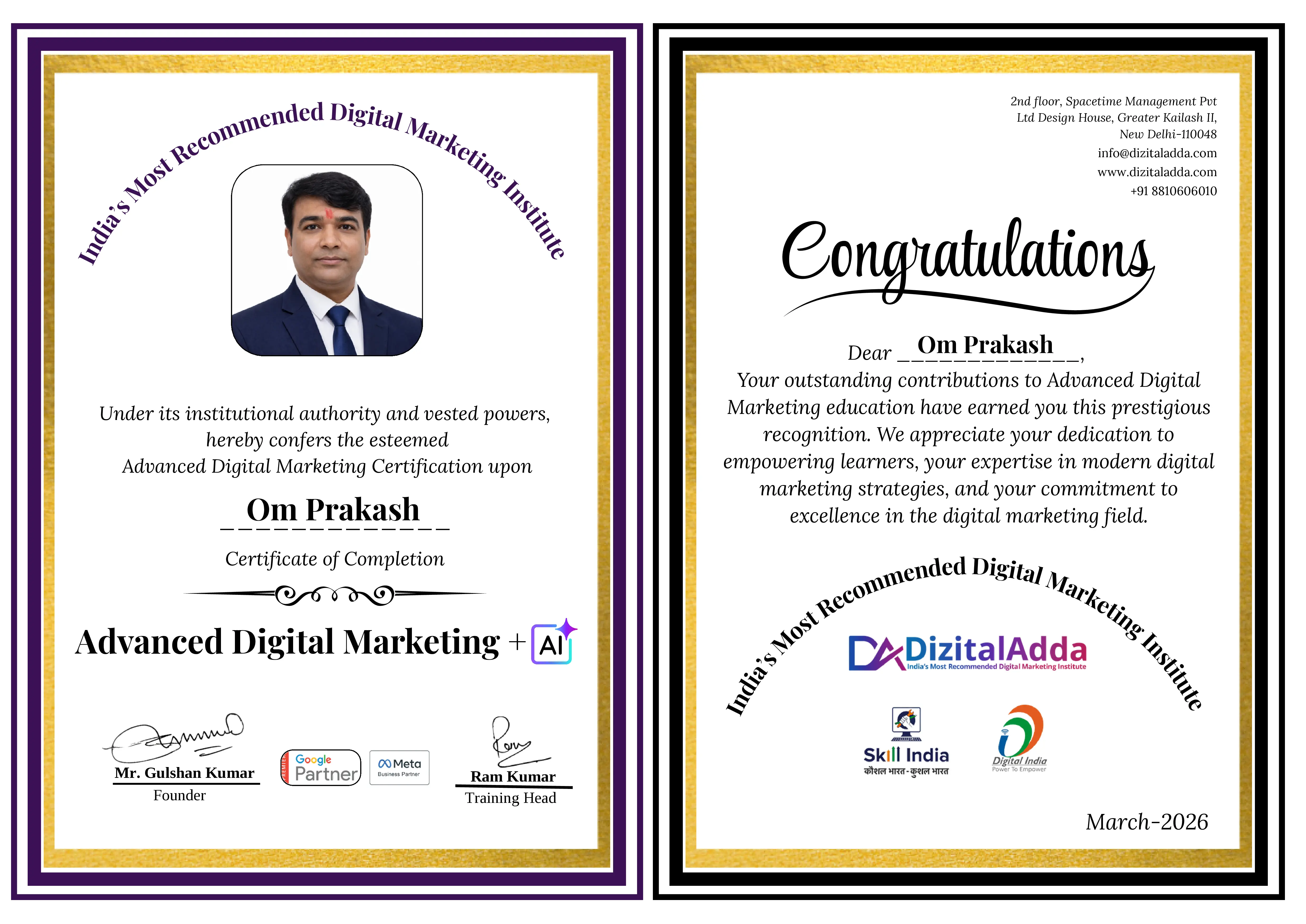
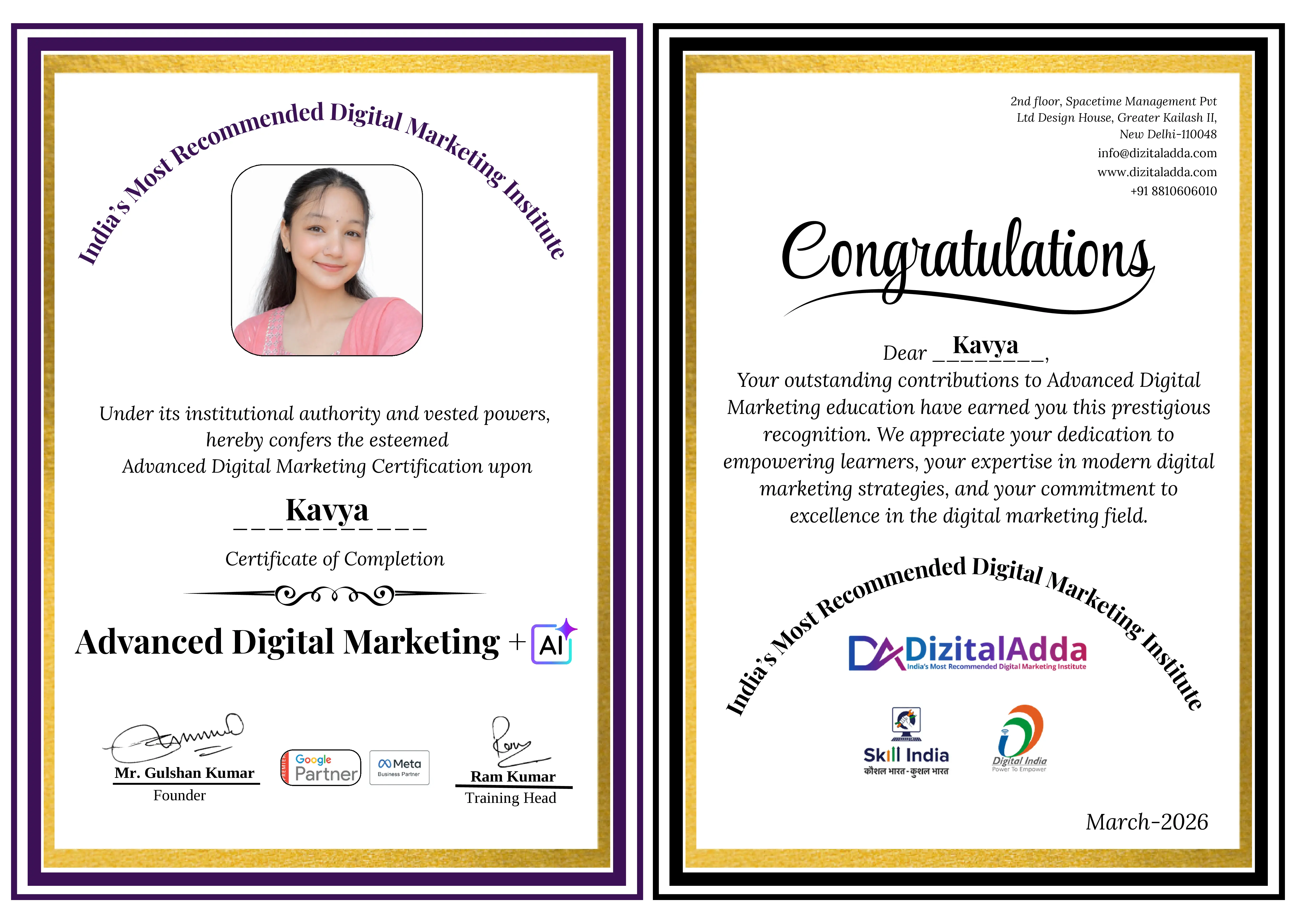
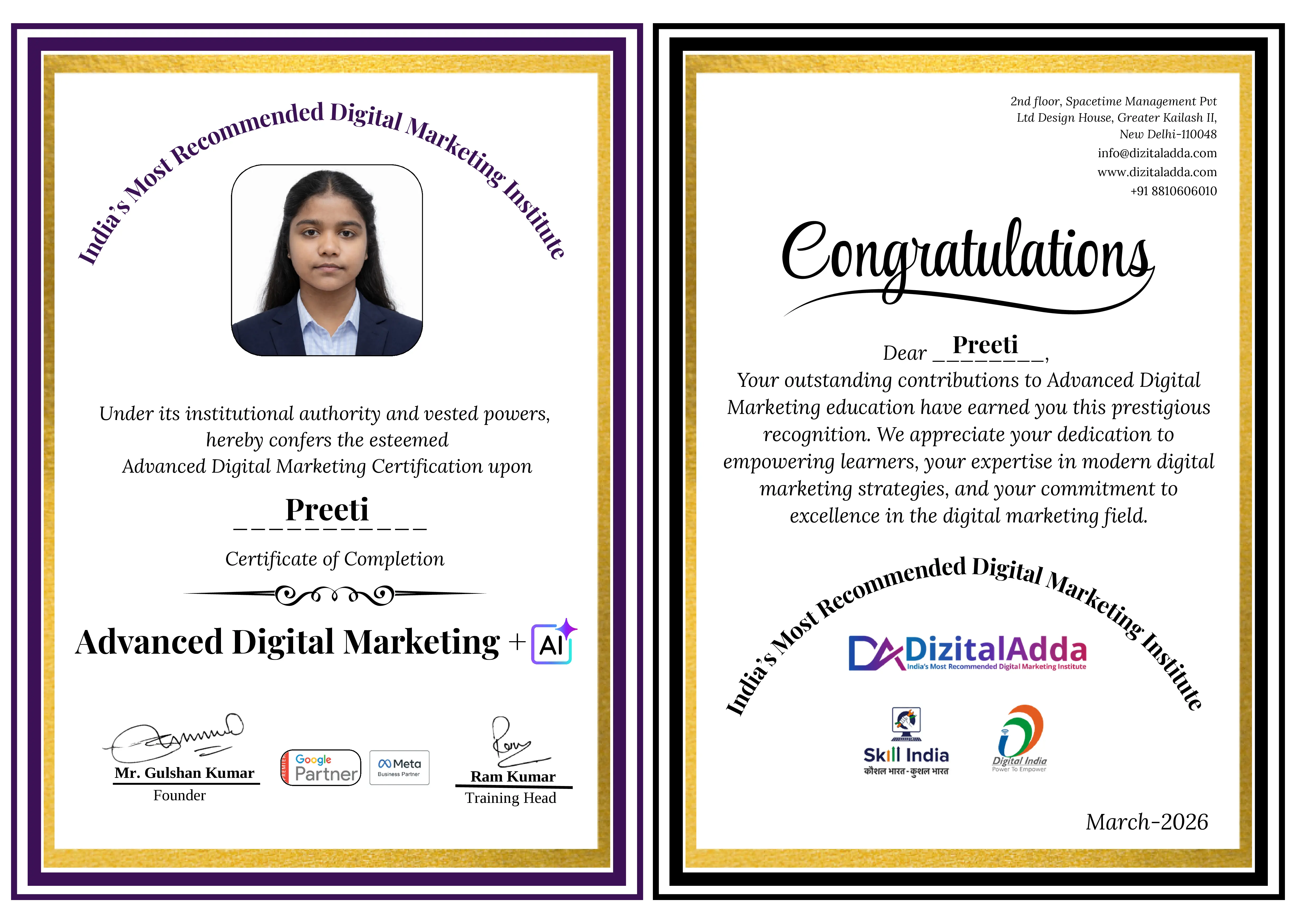
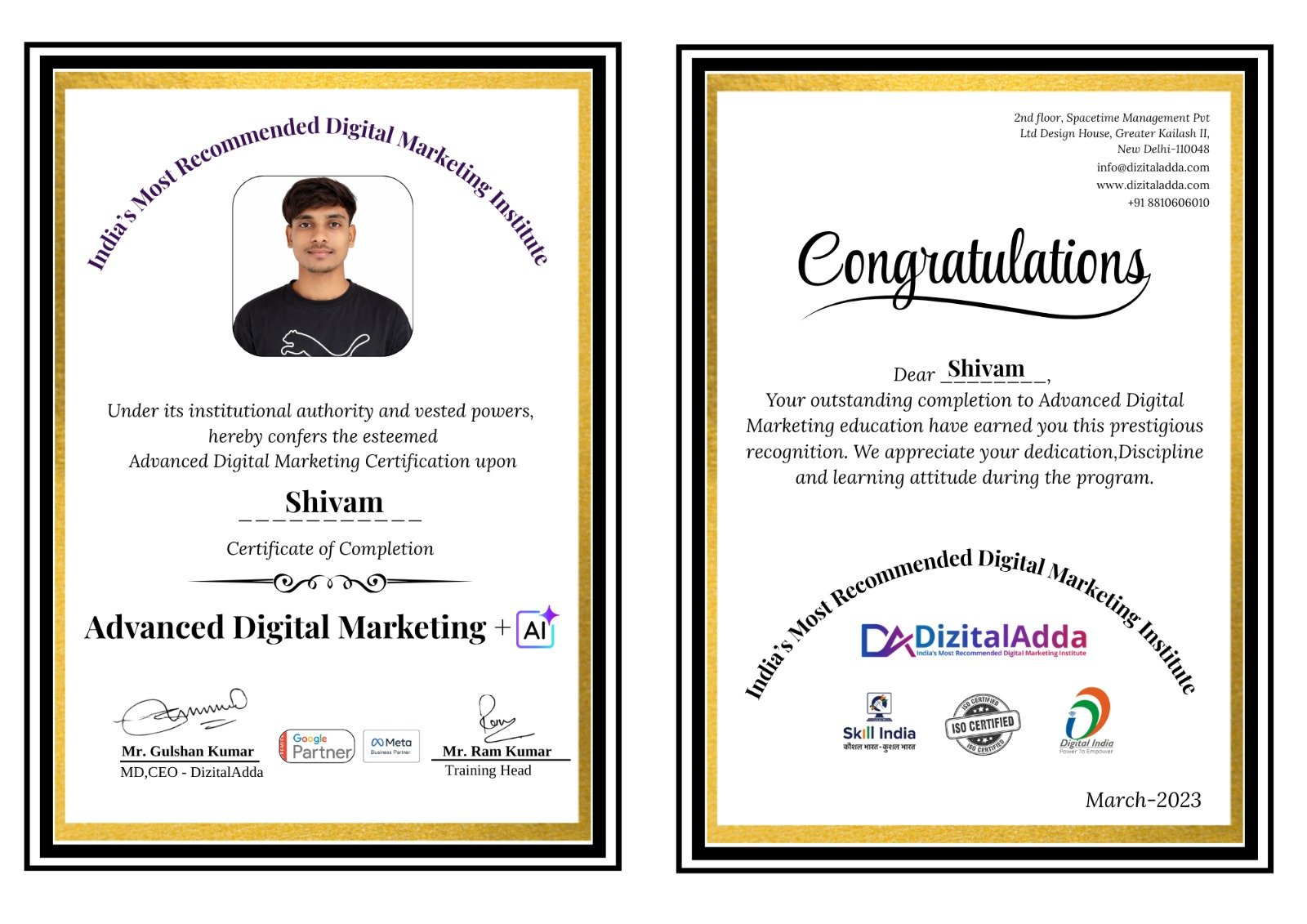
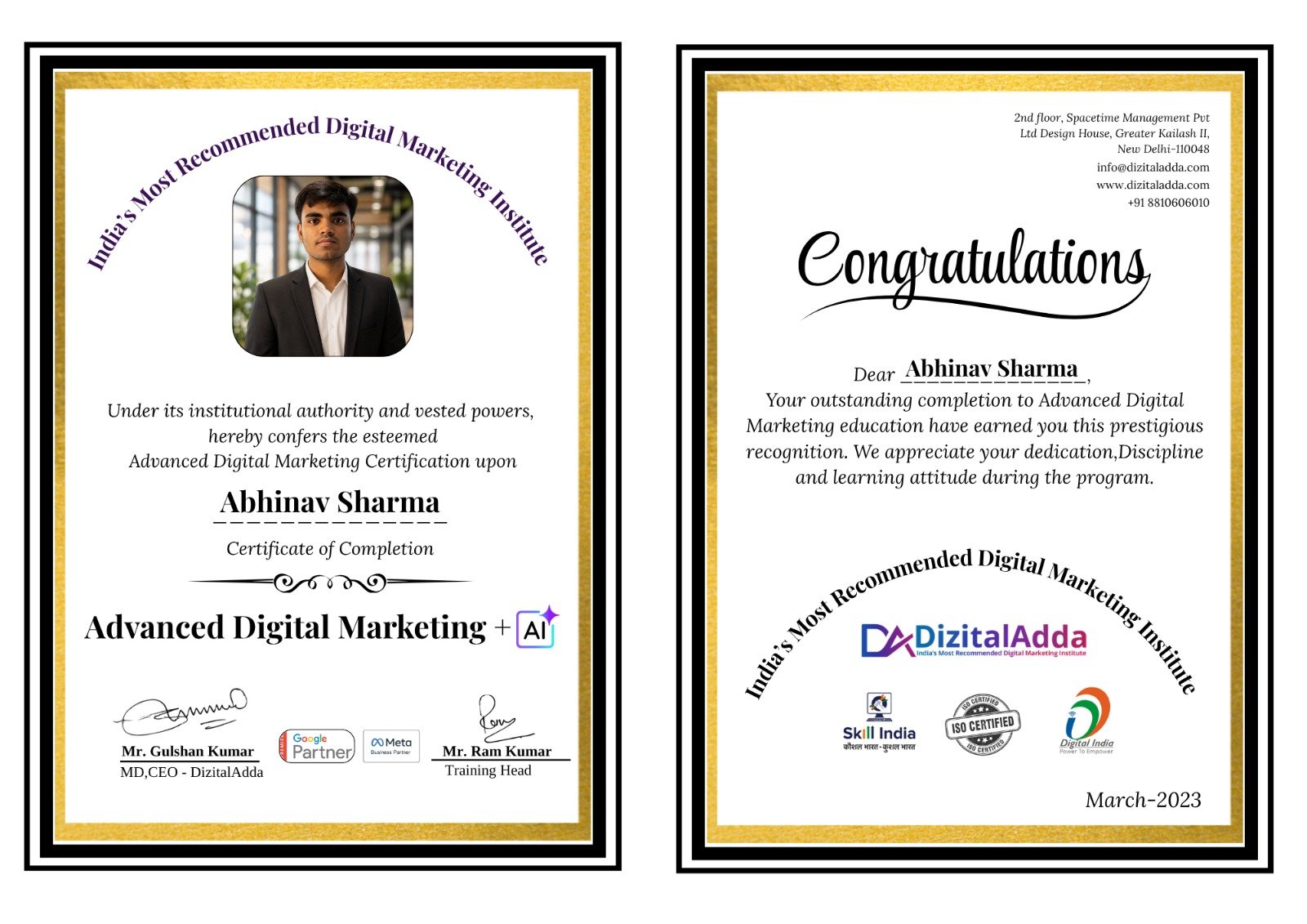
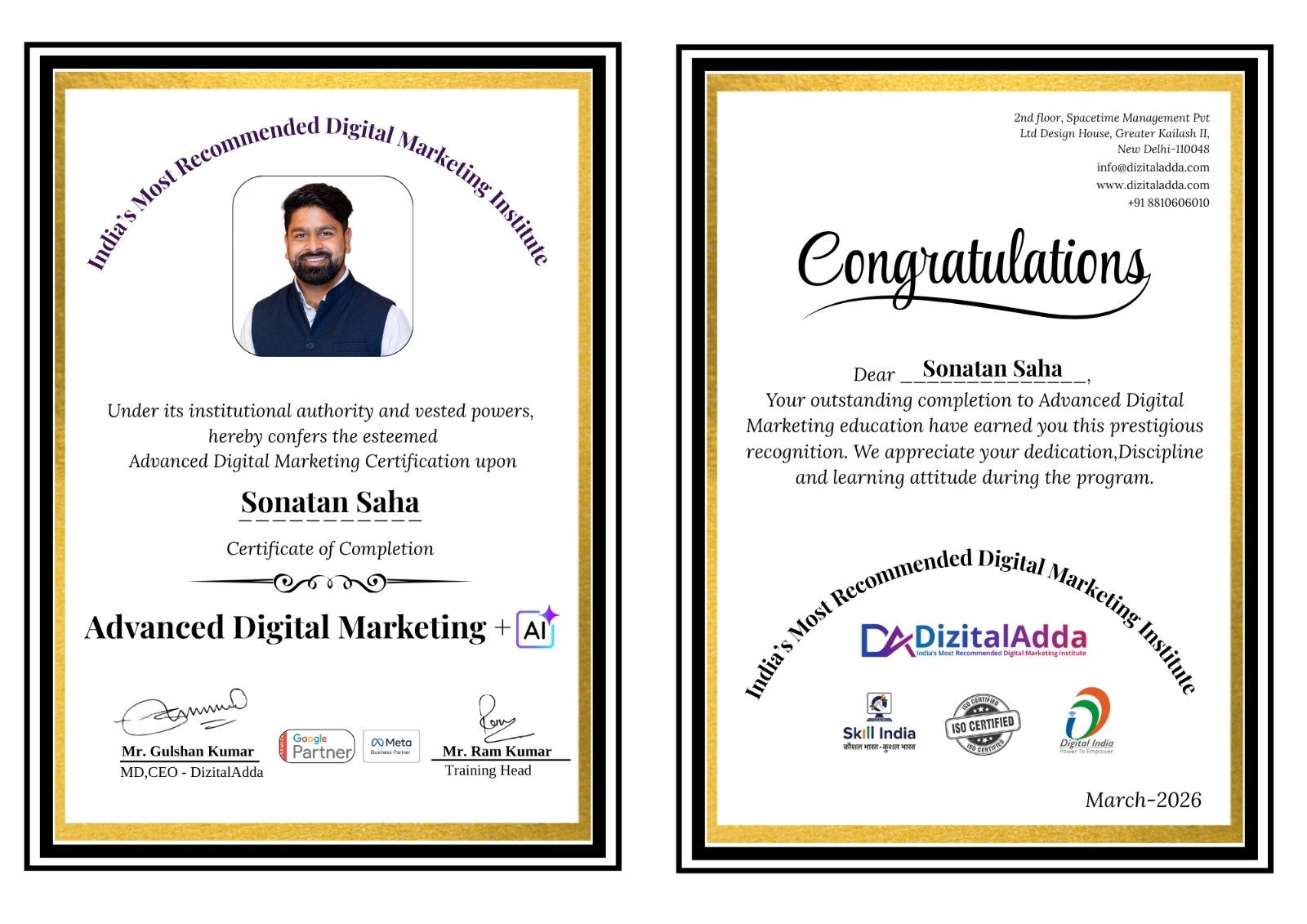
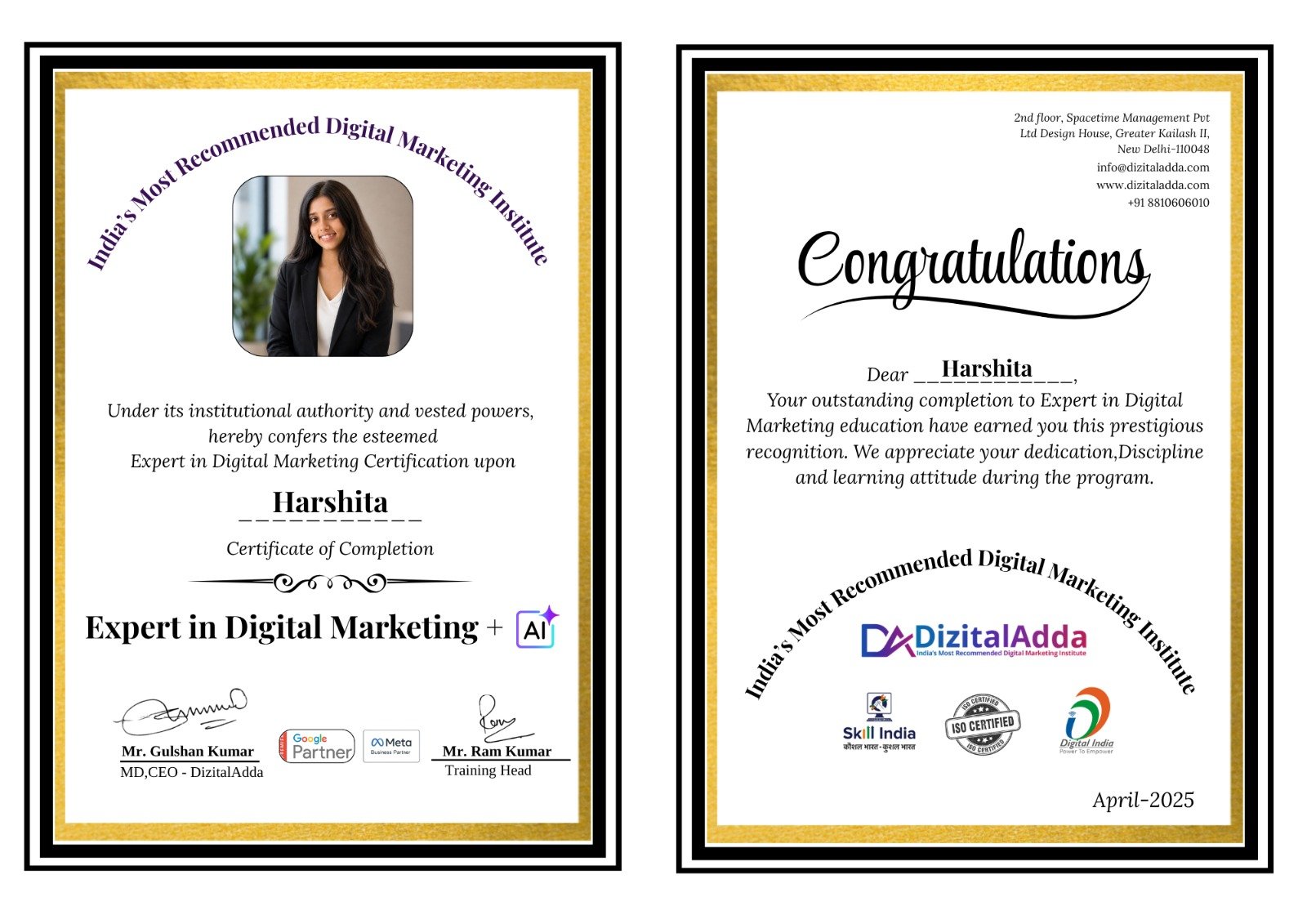
Learn From The Best
At DizitalAdda, every trainer across our digital marketing certification courses, AI courses, data science training programmes, machine learning certification tracks, and ethical hacking training labs is a full-time industry professional — not a freelance educator or retired academic. Your instructors run live Google and Meta Ads campaigns, deploy production AI models, conduct real penetration tests, and analyse live data pipelines every day. What they teach on Monday reflects what the industry demanded last week.

10+ years of experience in Digital Marketing and Data Science
Dr. Gulshan Kumar is the Training Head with over 10 years of experience in digital marketing and data science. He specializes in building strong fundamentals for students and has expertise in marketing strategies and content writing. His teaching approach is simple, practical, and beginner-friendly.
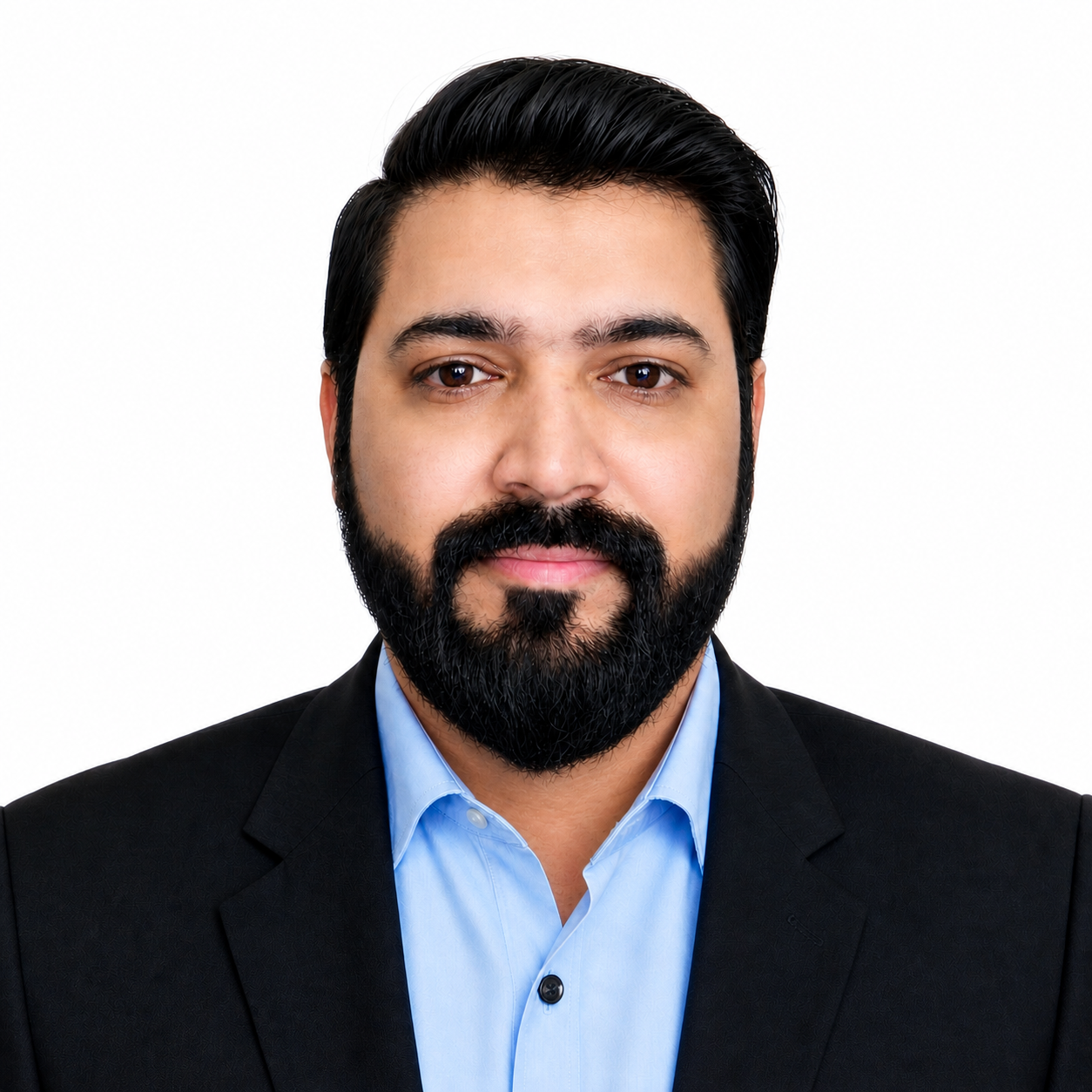
12+ years of experience in Web Development and Affiliate Marketing
Mr. Ram Kumar is a Lead Trainer with over 12 years of experience in web development and affiliate marketing. He has strong expertise in building WordPress and e-commerce websites and helps students learn through real projects and practical training.
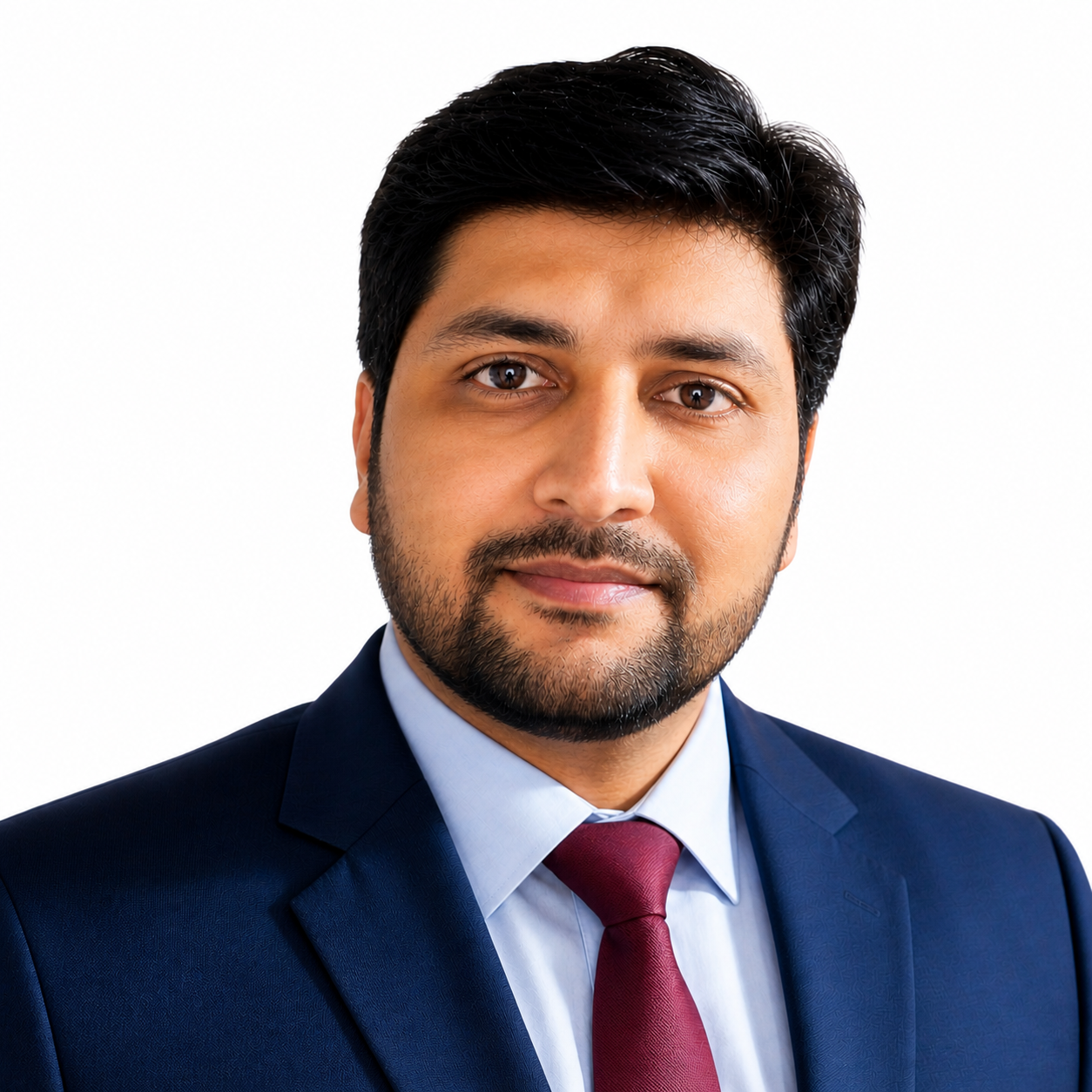
15+ years of experience in Performance Marketing and Paid Advertising
Mr. Saurabh Kumar is a highly experienced trainer with 15+ years in performance marketing. He has managed large-scale advertising campaigns, including platforms like Jio Hotstar and LinkedIn Ads, with over ₹10 crore ad spend experience. He focuses on real campaign strategies and ROI-driven marketing.

7+ years of experience in Data Science and AI Technologies
Miss Shagun Srivastava is a data science and AI trainer with 7+ years of experience. She teaches data analytics, generative AI, and automation tools. Her focus is on helping students understand real-world applications of AI and build practical skills.
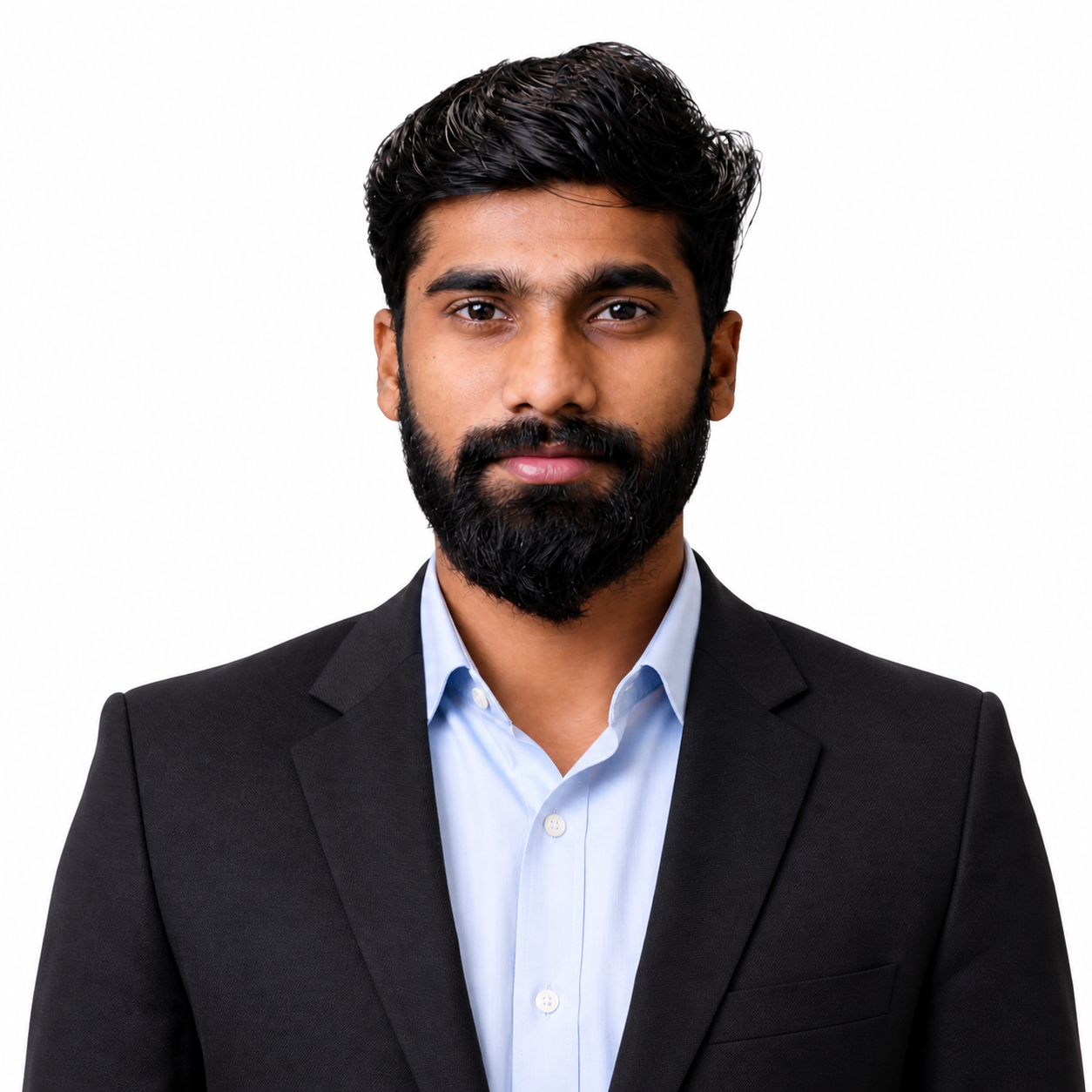
7+ years of experience in Search Engine Optimization
Mr. Ravi Kumar is an SEO trainer with 7+ years of experience in search engine optimization. He specializes in keyword research, website optimization, and analytics tools. He helps students understand how to rank websites and improve online visibility.

5+ years of experience in Local Marketing and Paid Advertising
Mr. Kaushal is a trainer with 5+ years of experience in local SEO and paid marketing. He specializes in Google Business Profile optimization, local search ads, and data scraping techniques to generate leads for businesses.
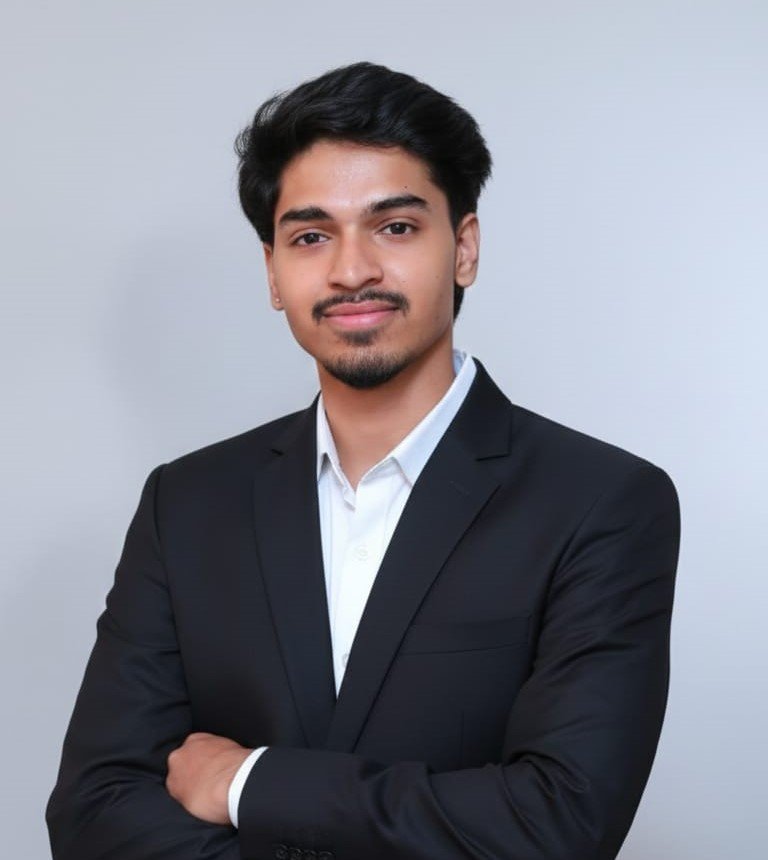
5+ years of experience in Data Analytics and Web Development
Mr. Deepanshu Soni is a trainer with 5+ years of experience in data analytics and web development. He teaches both frontend and backend technologies and helps students build full projects using modern tools and frameworks.
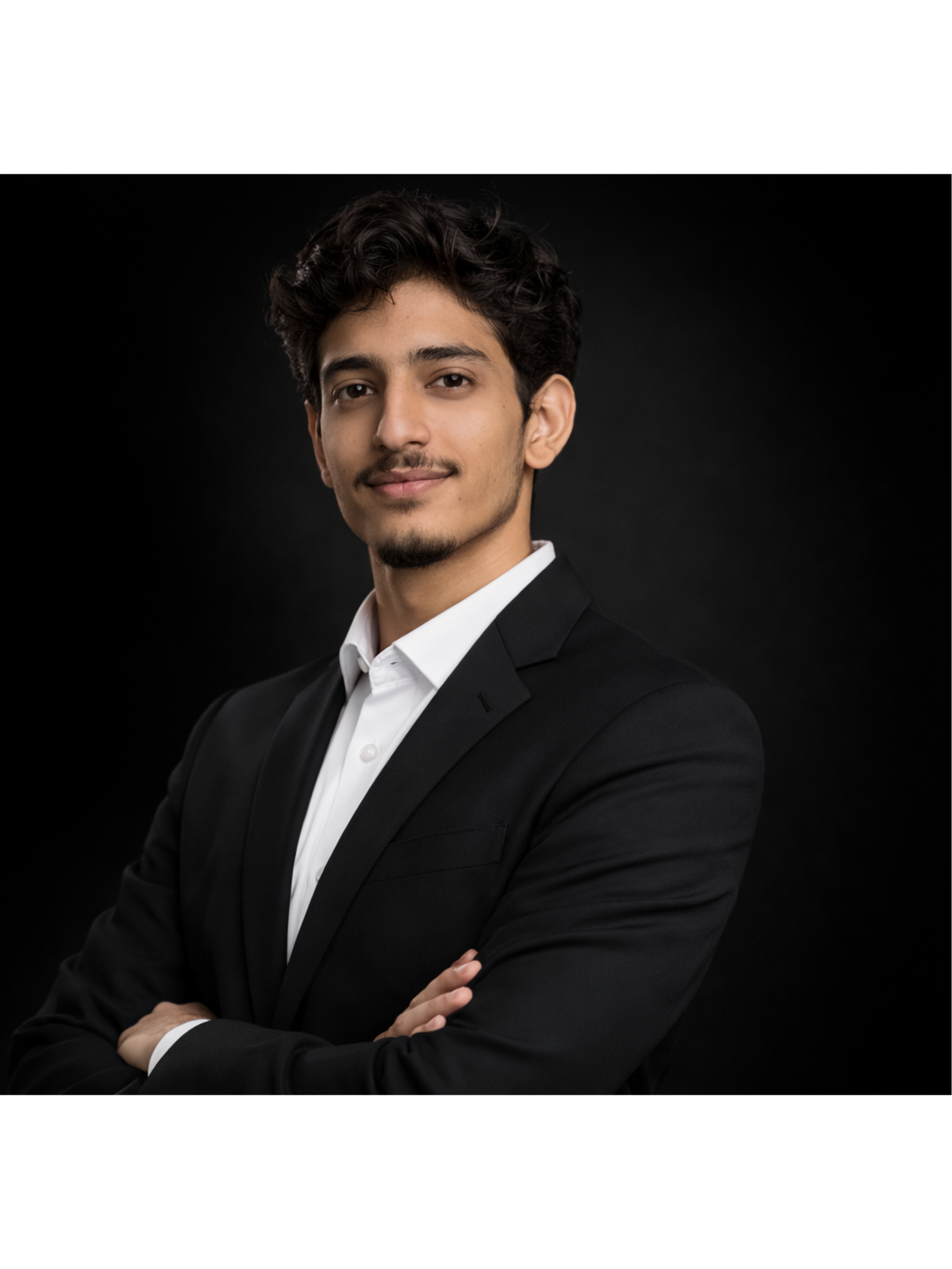
3+ years of experience in Search AI and SEO
Mr. Govind Bisht is a trainer specializing in Search AI and modern SEO techniques. He focuses on AI-powered search strategies, including AI Overviews, AEO, GEO, and LLM optimization, helping students understand the future of search engines.
Real Stories


What Students Say
"I enrolled in the Advanced Digital Marketing Course to improve my skills, and the practical training was honestly better than I expected. The live projects helped me understand real industry work."

"The Expert Digital Marketing Course completely changed my career direction. I joined as a college student with zero practical knowledge, and now I confidently manage SEO and Google Ads projects for clients."
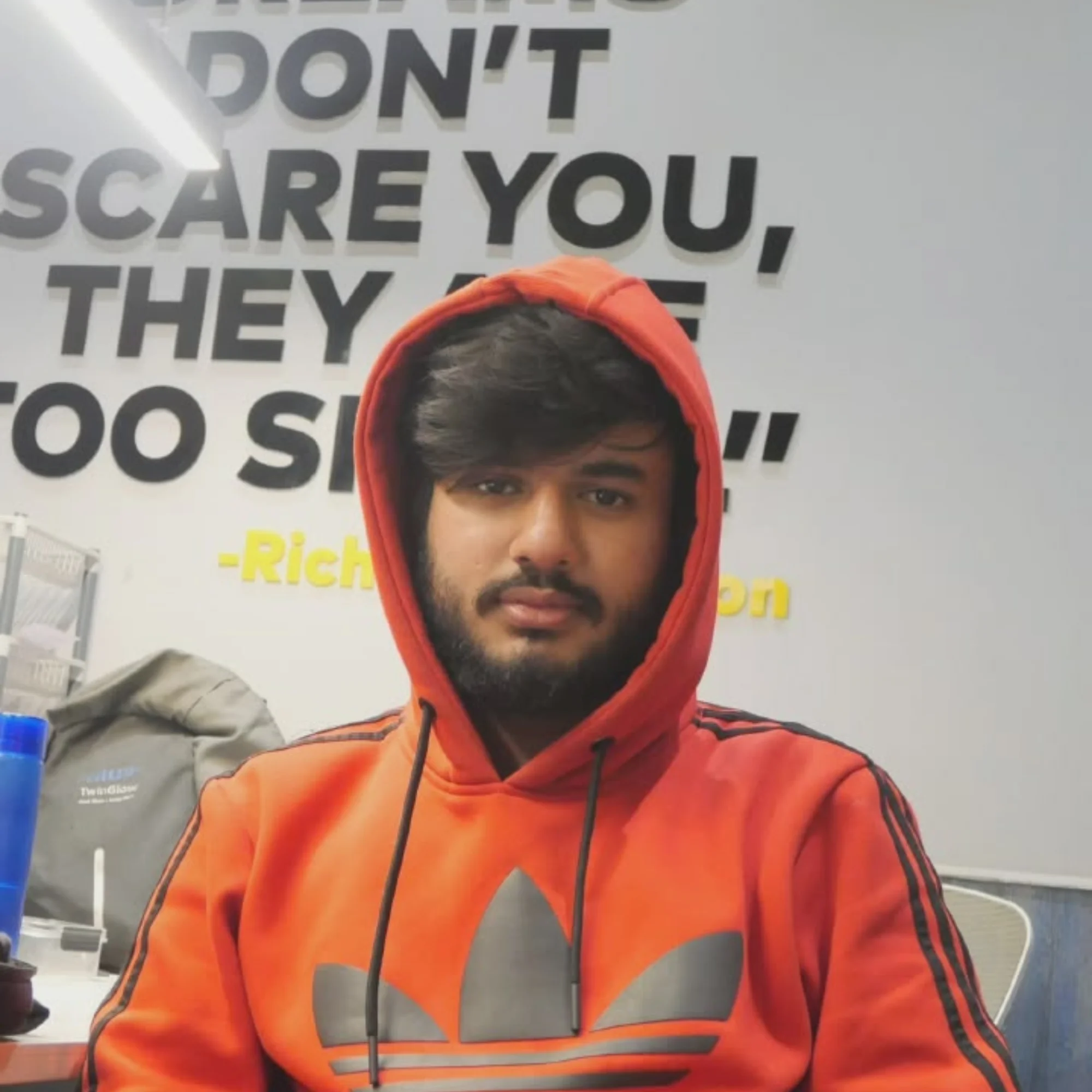
"As a working professional, I needed a course that was practical and updated with current trends. The Digital Marketing Course for Professionals helped me switch my career successfully."

"The trainers explained everything in a very simple way, even advanced SEO and paid ads. I started freelancing within a few months after completing the course."
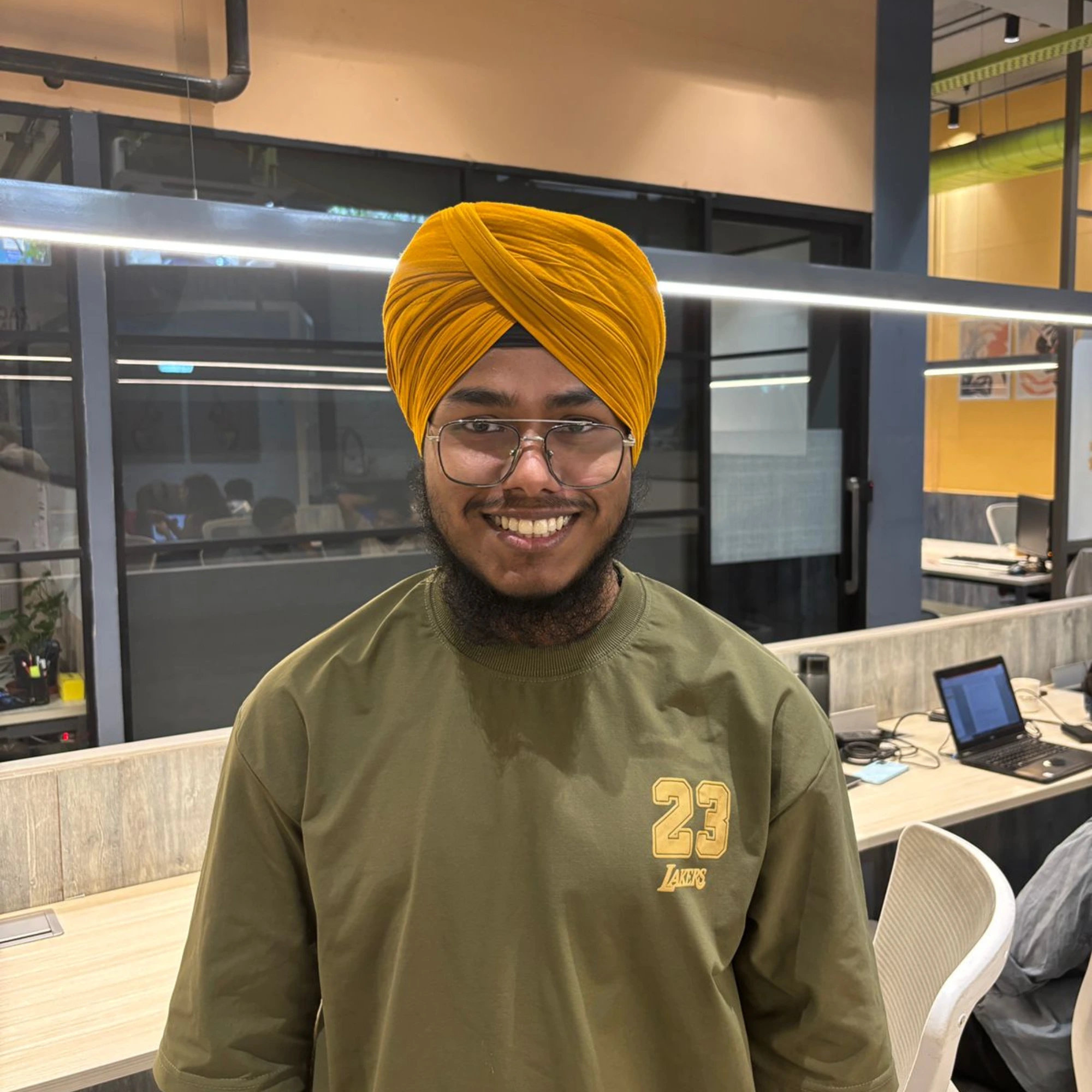
"The AI marketing tools and automation sessions were my favorite part. I now save a lot of time while managing social media and ad campaigns for clients."

"What I liked most was the focus on real projects instead of only theory. We worked on live campaigns and learned tools that companies actually use."
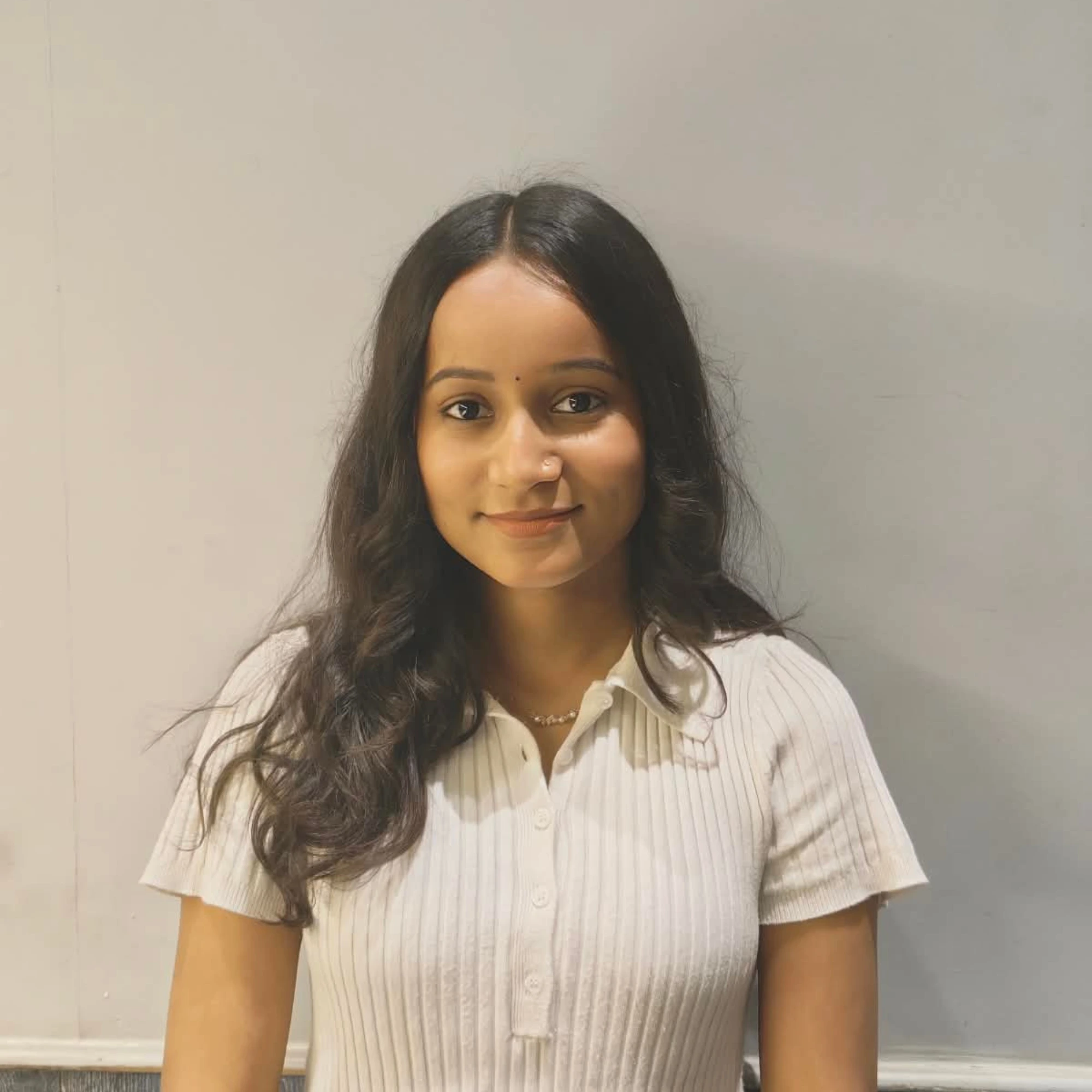
"The AI marketing tools and automation sessions were my favorite part. I now save a lot of time while managing social media and ad campaigns for clients."
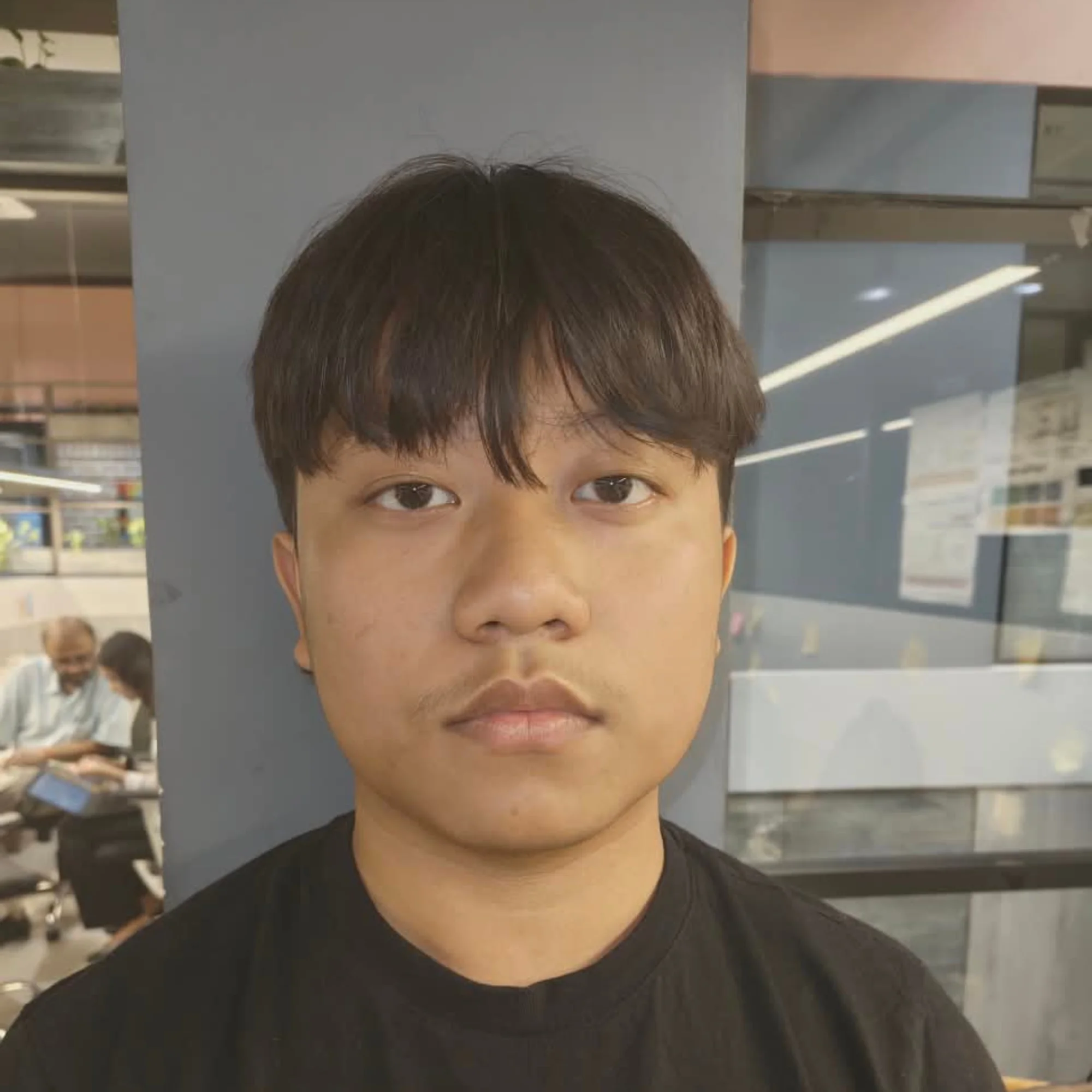
"The learning environment was friendly and motivating. Even beginners could understand SEO, Meta Ads, and analytics without feeling overwhelmed."

"I was already working in sales but wanted to move into digital marketing. This course helped me build confidence and land a better job role."
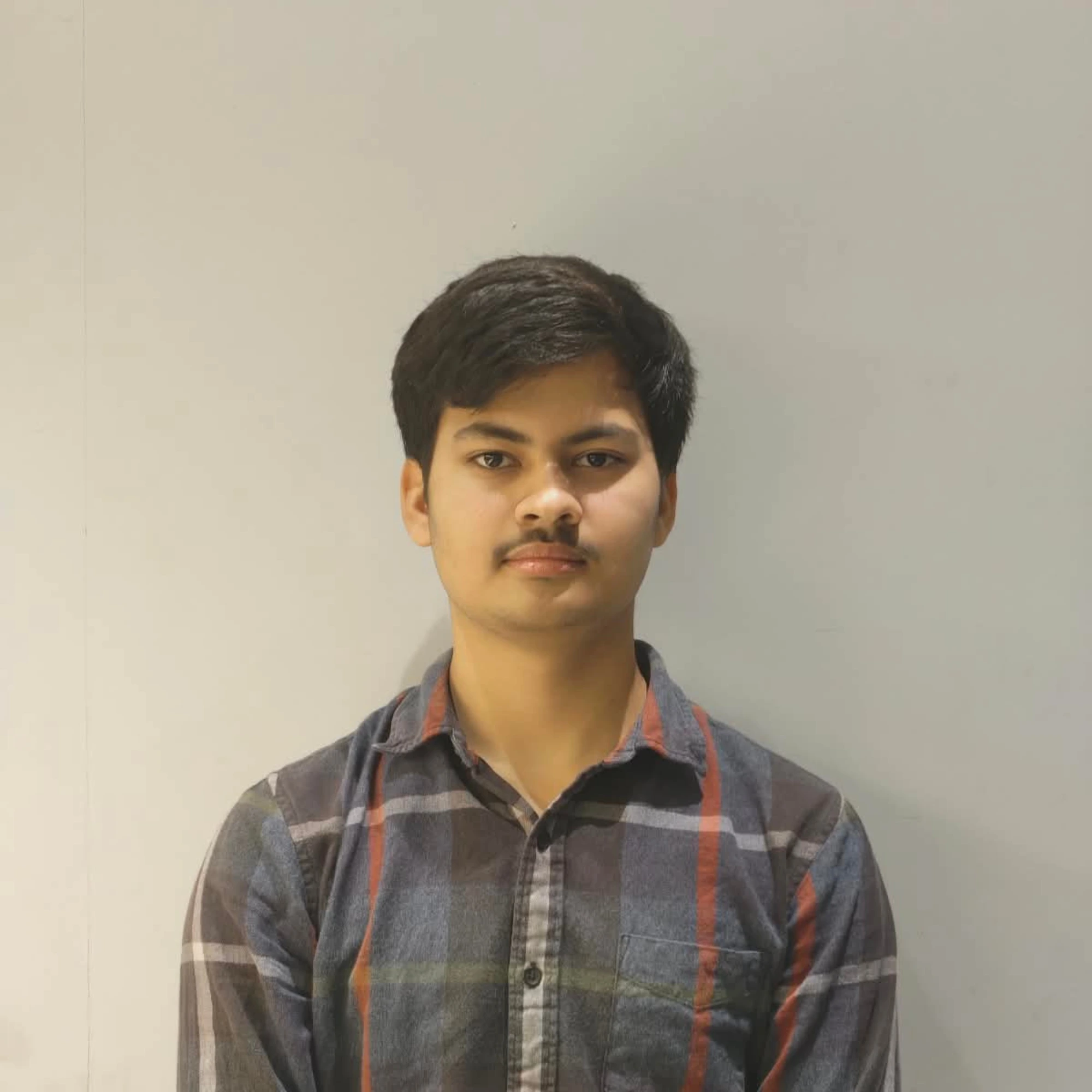
"The practical assignments and live website projects helped me understand how digital marketing actually works in companies and agencies."
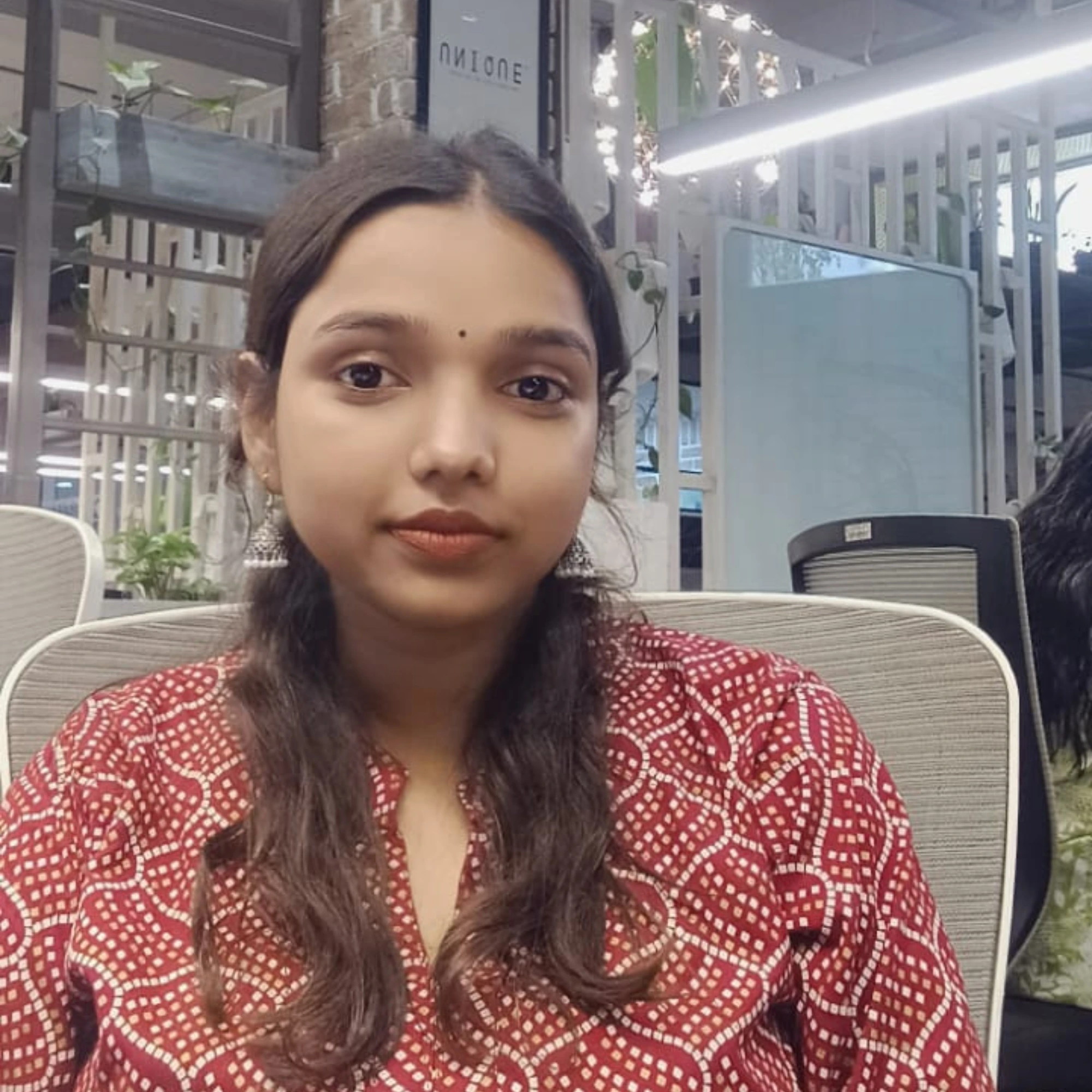
"I appreciated that the trainers always shared current industry strategies instead of outdated concepts. The classes felt modern and very career-focused."
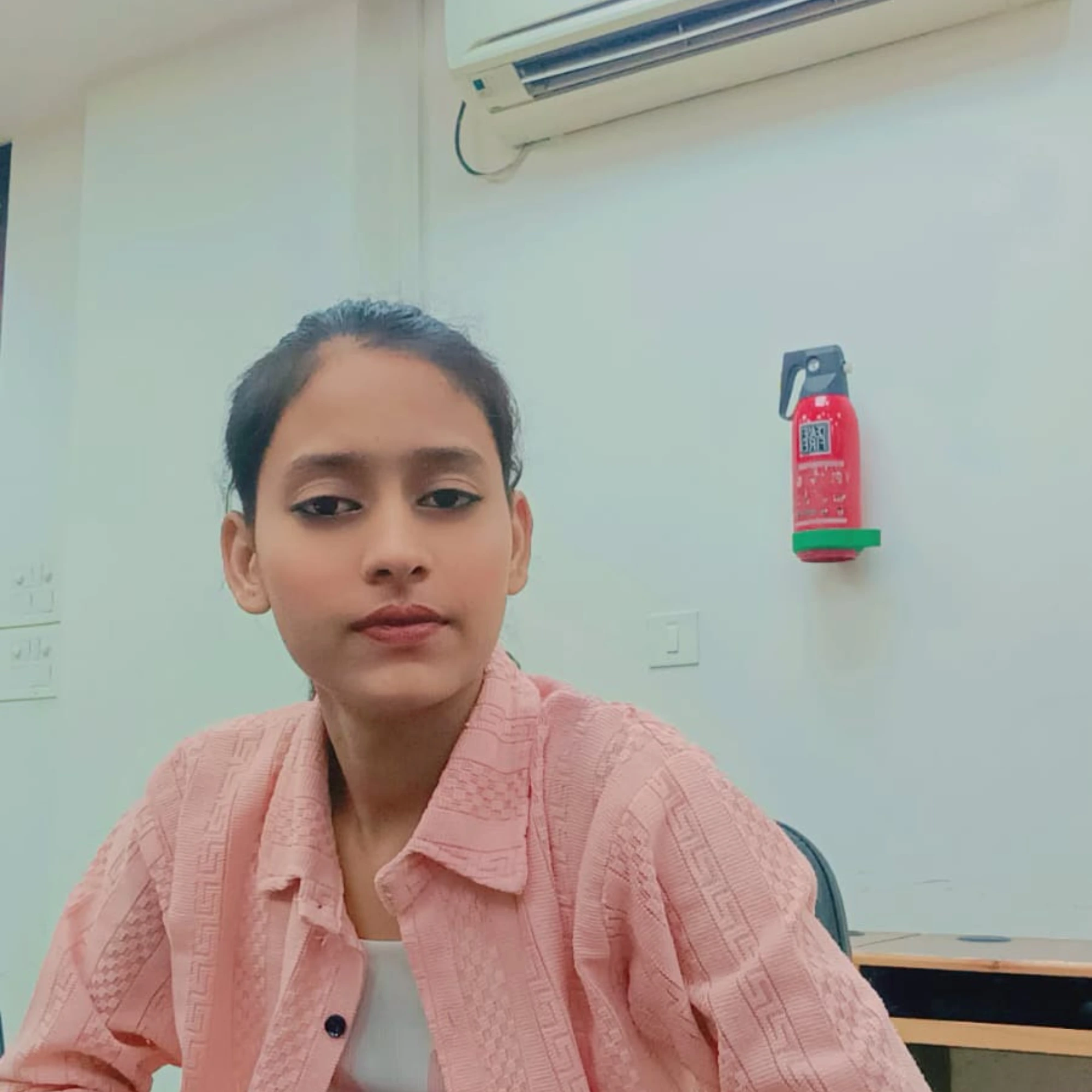
"The mentors were supportive throughout the course and even guided me during interviews. That personal support made a huge difference for me."
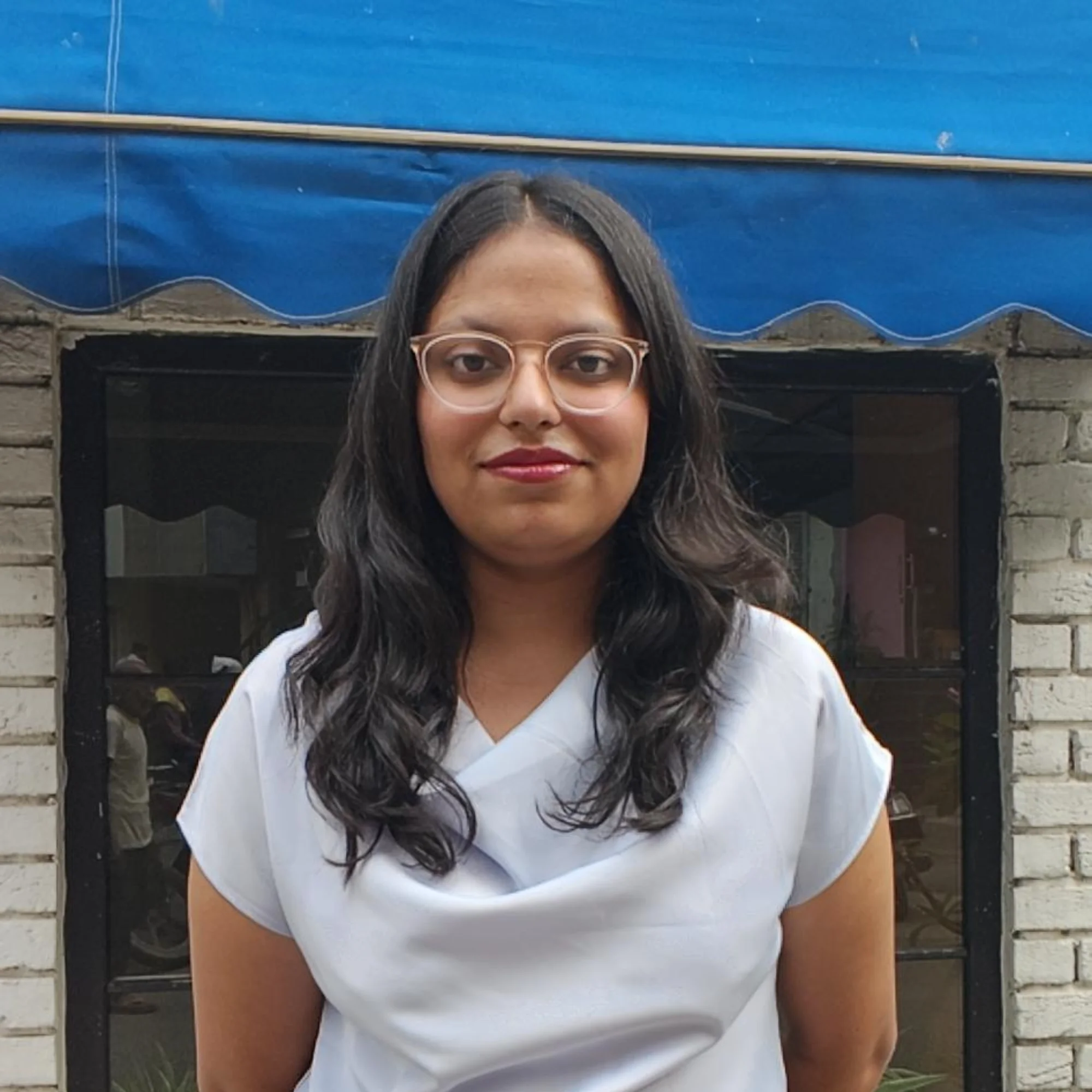
"I joined after my graduation and got internship opportunities very quickly because of the portfolio and practical work we completed during training."
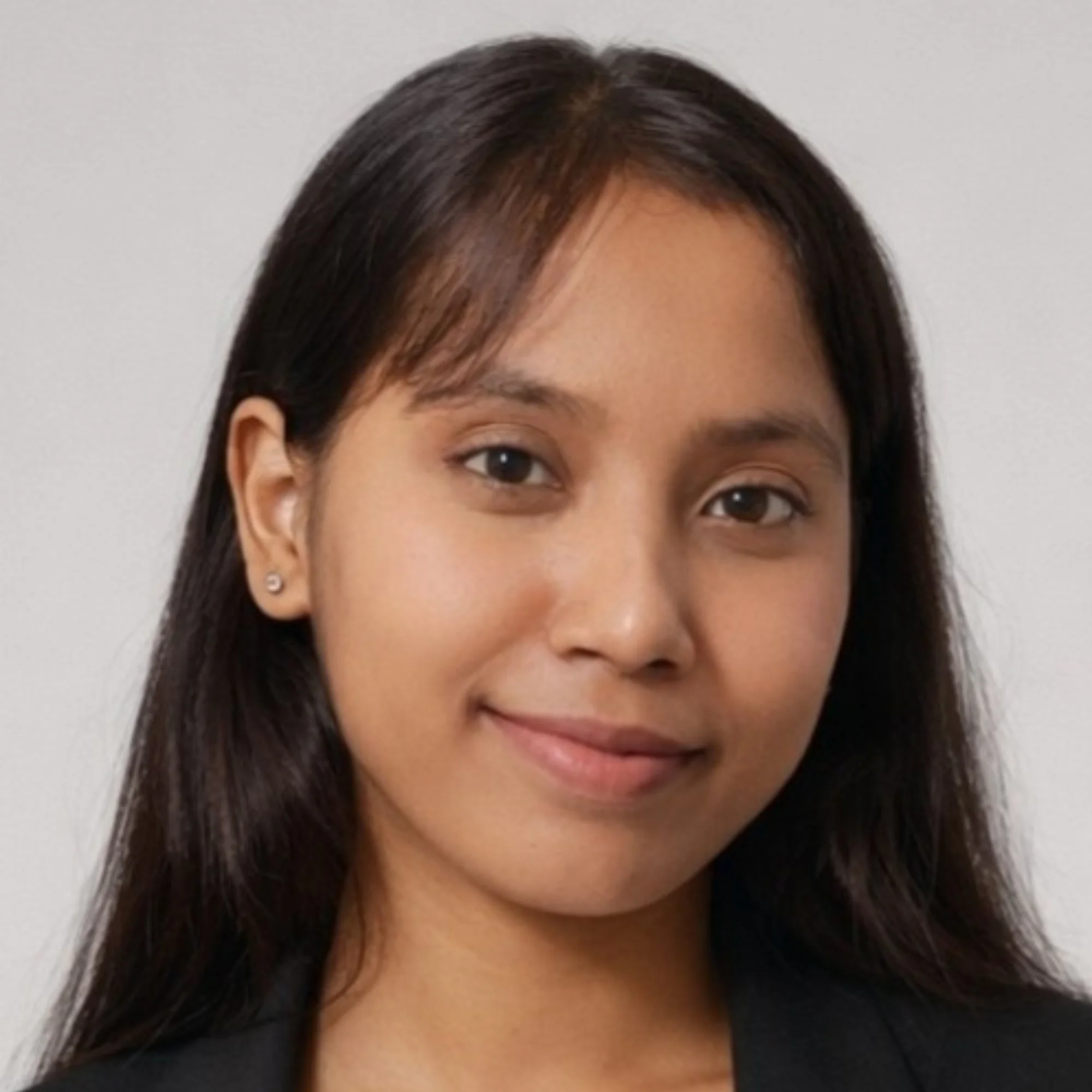
"The trainers focused a lot on practical learning. We didn't just watch presentations — we actually created campaigns, optimized websites, and analyzed performance."

"I joined the Expert Digital Marketing Course after watching a few webinars from DizitalAdda, and the practical exposure was honestly impressive. The SEO and performance marketing sessions helped me understand how agencies work in real life."
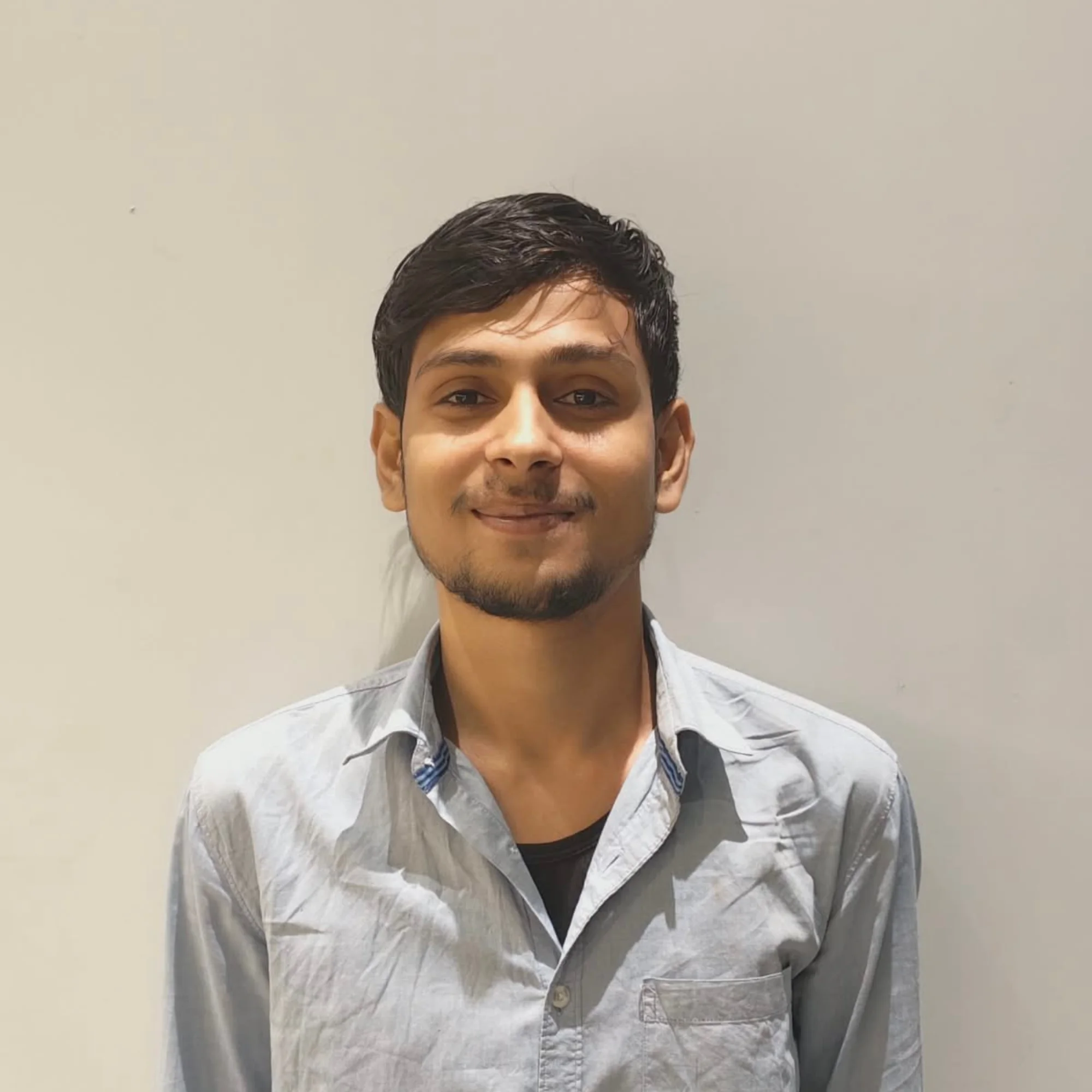
"What made this course different for me was the practical learning. Instead of only theory, we worked on live websites, keyword research, and real ad campaigns."
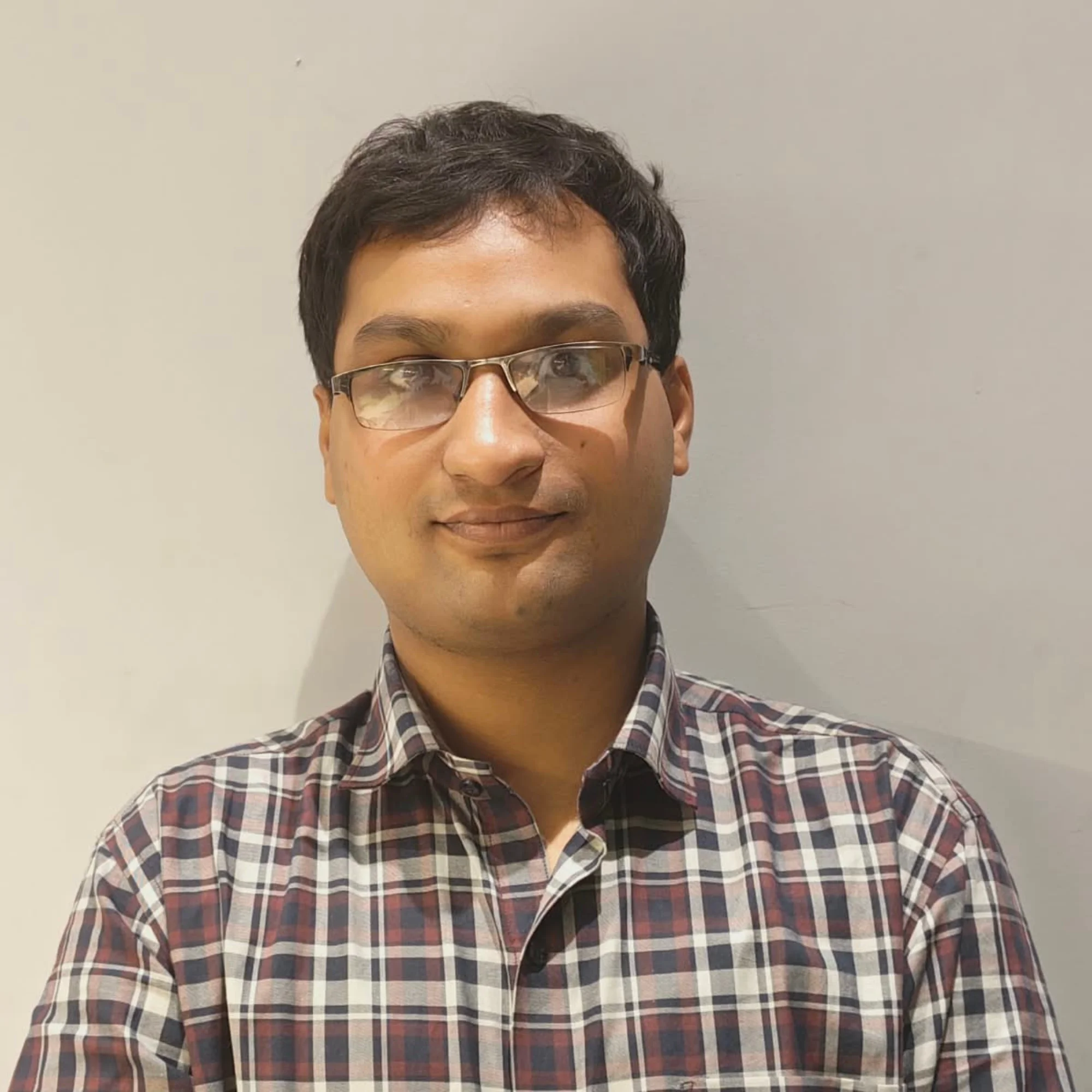
"The Advanced Digital Marketing Course gave me hands-on experience with Google Ads, Meta Ads, and AI tools. I now confidently handle campaigns for my startup business."
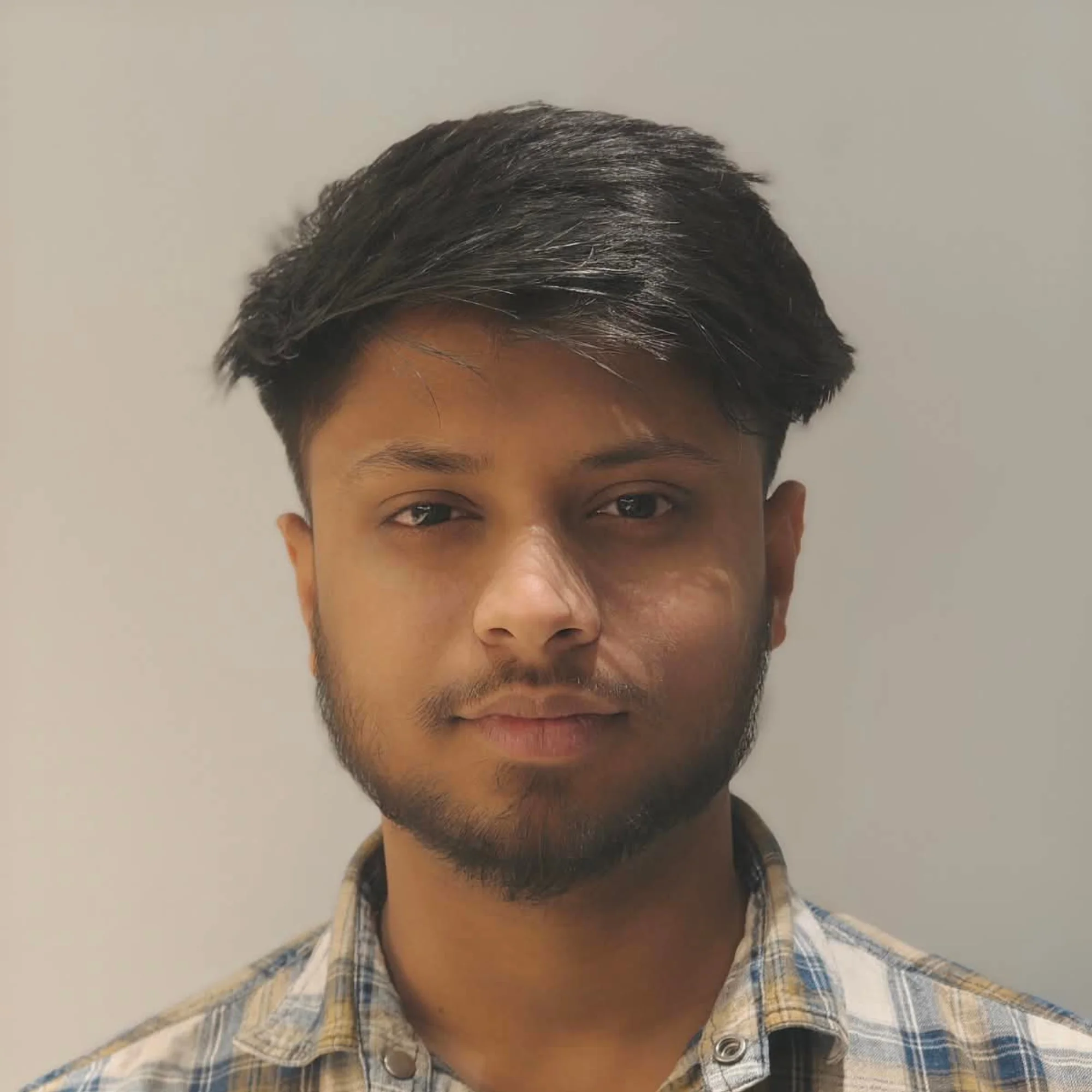
"I was searching for a course that actually teaches updated digital marketing skills. The AI modules, automation tools, and live project training were very useful."

"The trainers explained complex topics in a simple and friendly way. Even analytics and technical SEO became easy to understand after the practical sessions."

"The course structure was very organized and industry-focused. I especially liked the real client assignments because they gave me confidence before interviews."

"I completed the Advanced Digital Marketing Course while finishing my college degree. The skills I learned here helped me secure an internship much faster."
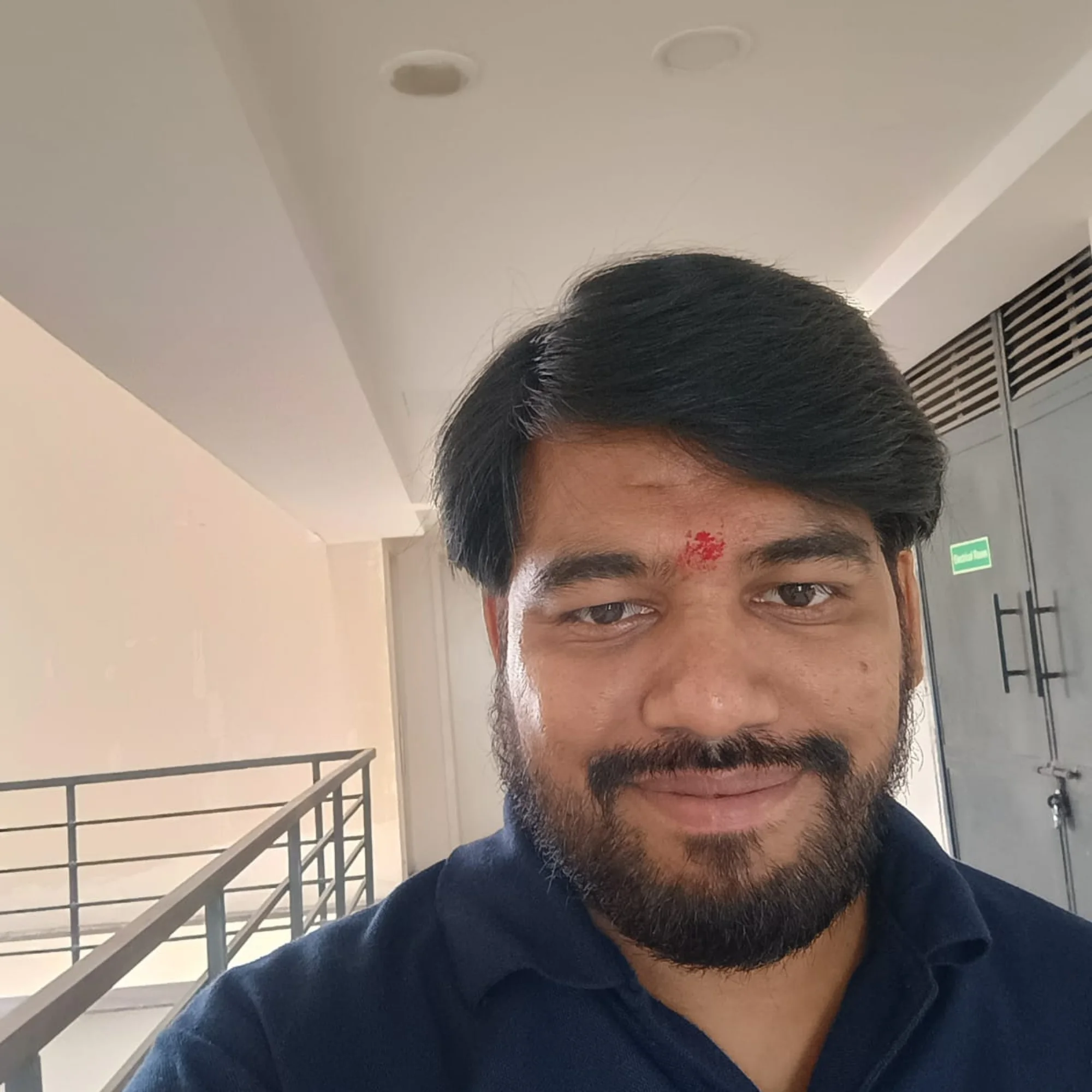
"Before joining, I only knew social media basics. Now I can run paid ad campaigns, optimize websites for SEO, and create marketing strategies independently."

"The Advanced Digital Marketing Course helped me start freelancing from home. The practical training and portfolio-building sessions gave me the confidence to take real clients."

DizitalAdda's Delhi-NCR campus offers a professional learning environment with live projects, 60+ industry tools, and small batches of up to 15 students, guided by mentors with 5–15 years of industry experience.
Maximum 15 students per batch — personalised attention across all career training programs
Training rooms, seminar hall, workshop spaces, and group activity zones
Online and offline learning available — identical curriculum, placement assistance, and project mentorship for both
Free Session
DizitalAdda's free demo class is a 1-hour live session for your chosen course, led by the same trainer who teaches the full program. It includes personalised career counselling and is available online or at the Delhi-NCR campus.
From Our Blog
Read the full article on DizitalAdda to explore the complete insight and practical takeaways.
Read More
Read the full article on DizitalAdda to explore the complete insight and practical takeaways.
Read More
Read the full article on DizitalAdda to explore the complete insight and practical takeaways.
Read MoreFrequently Asked Questions offers quick answers to common queries, guiding users through features and functionalities effortlessly.